
Restoring Degraded Land in New Zealand: Our First Year
How we're restoring degraded land in New Zealand, one hectare at a time. A year one look at native forest restoration, rewilding, and what we've learned.


The starting point: 22 hectares of bare land. Former pine forest completely stripped by logging. The soil exposed to erosion. The land completely empty of the native forest that once covered most of Aotearoa New Zealand. There was lots of forestry slash that was left behind and we had no infrastructure on site whatsoever.
Two things we did have: a whole lot of debt and an intense passion and naive optimism to make this work!
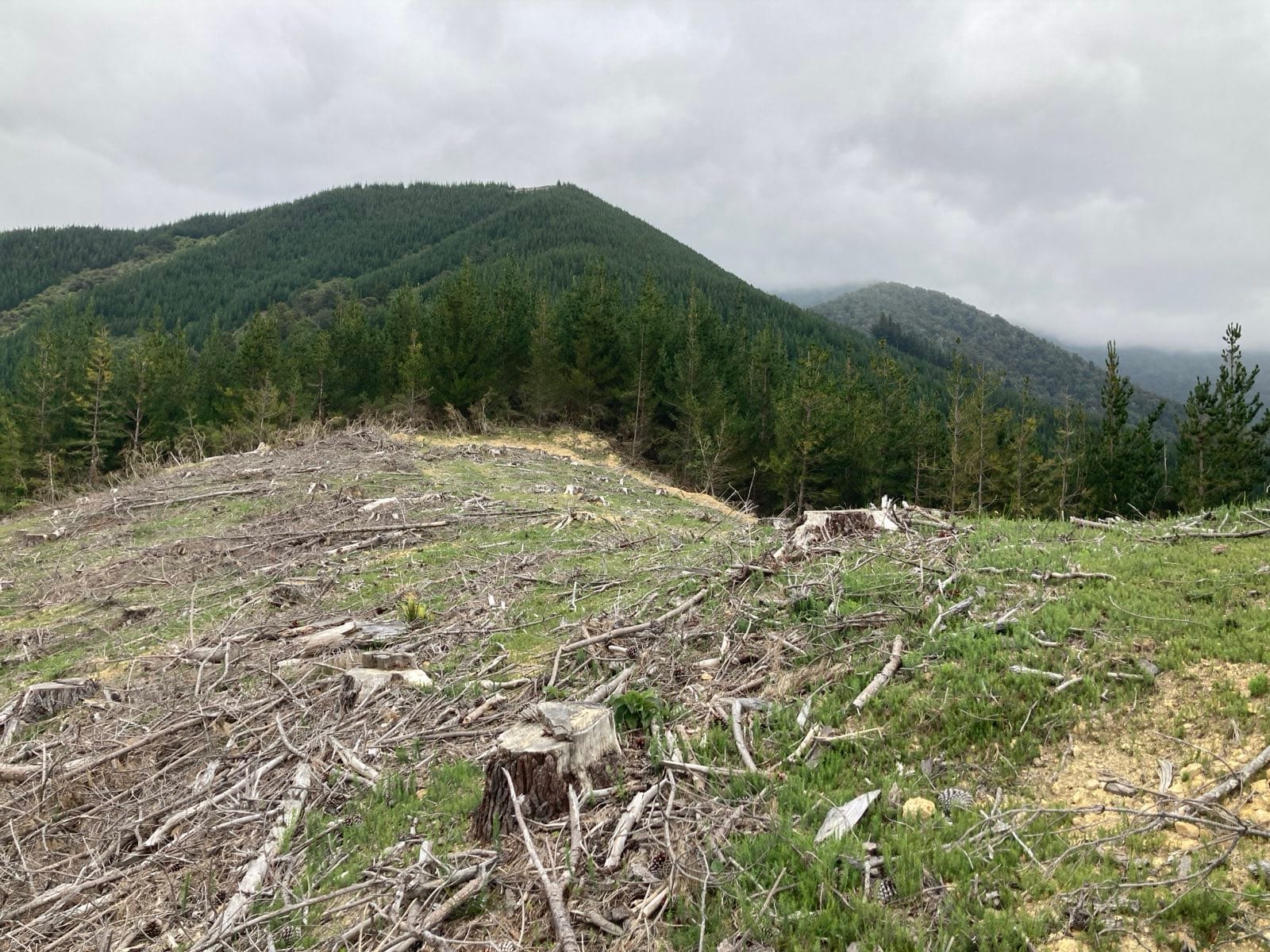
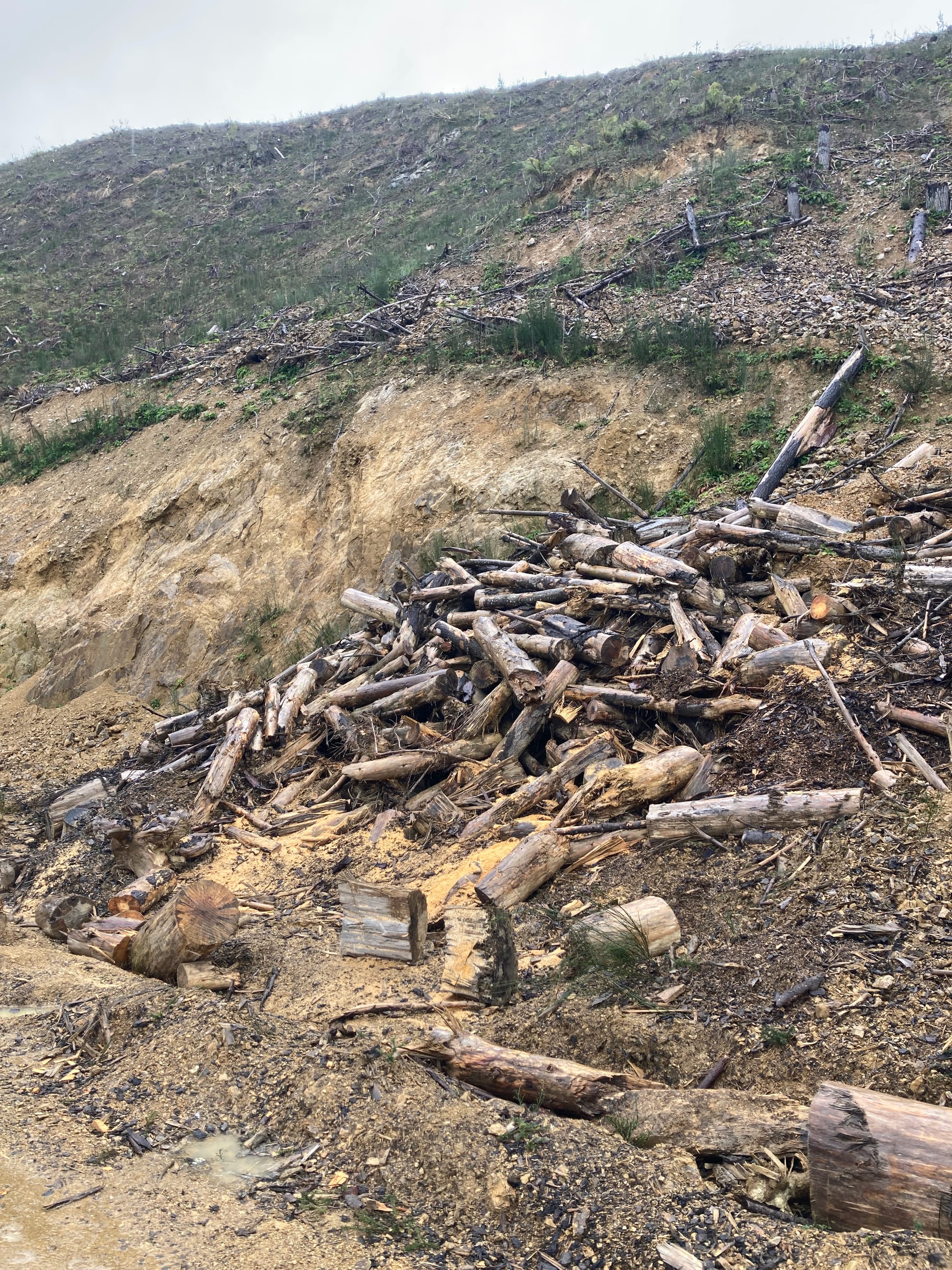
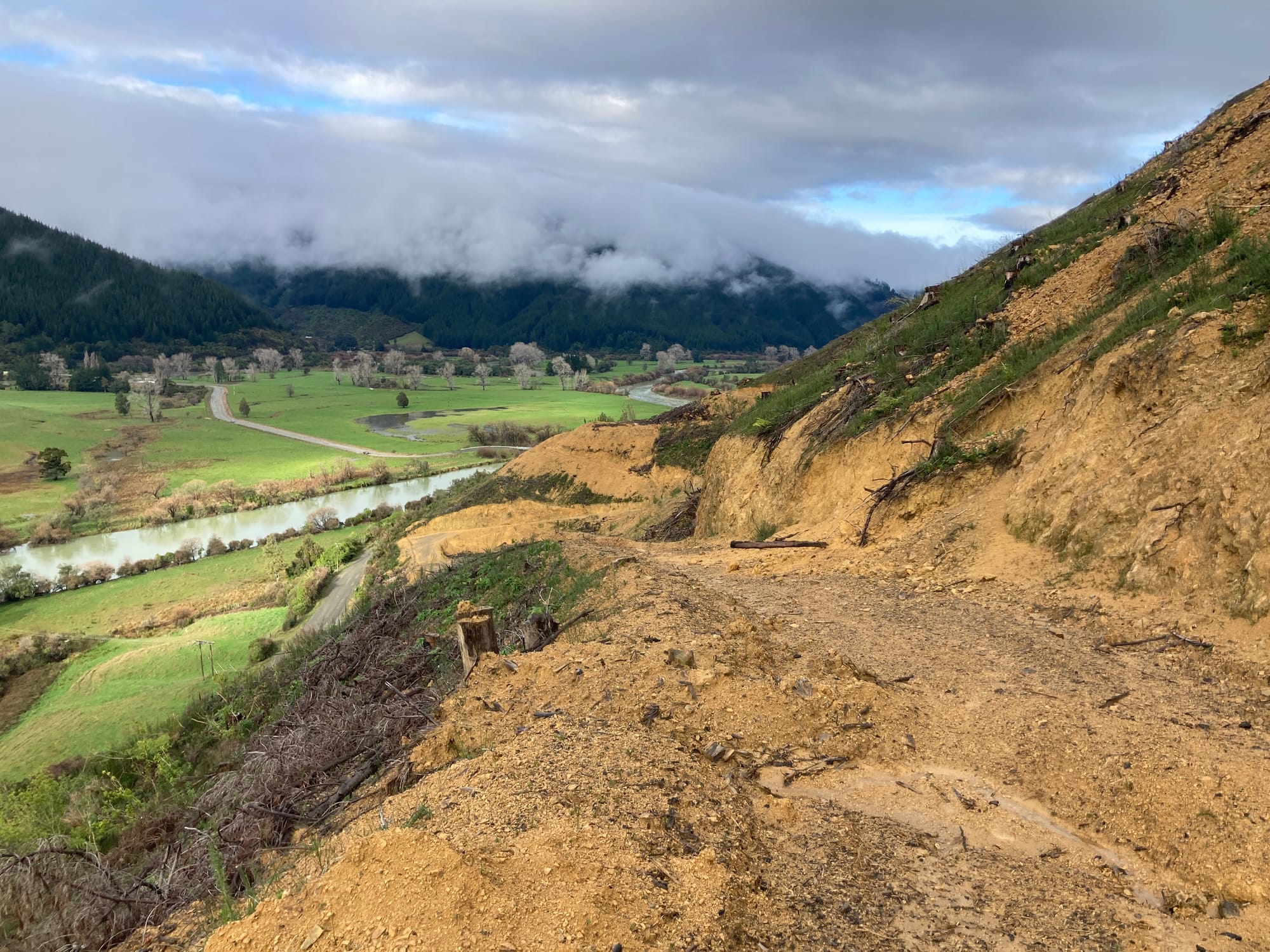
This post reviews our first year restoring degraded land in New Zealand (2025-2026), with all its ups and downs. It shows the many different experiments we've done. We share what infrastructure we’ve built, what we’ve learnt so far and what the plans for the future are.
But why is this important?
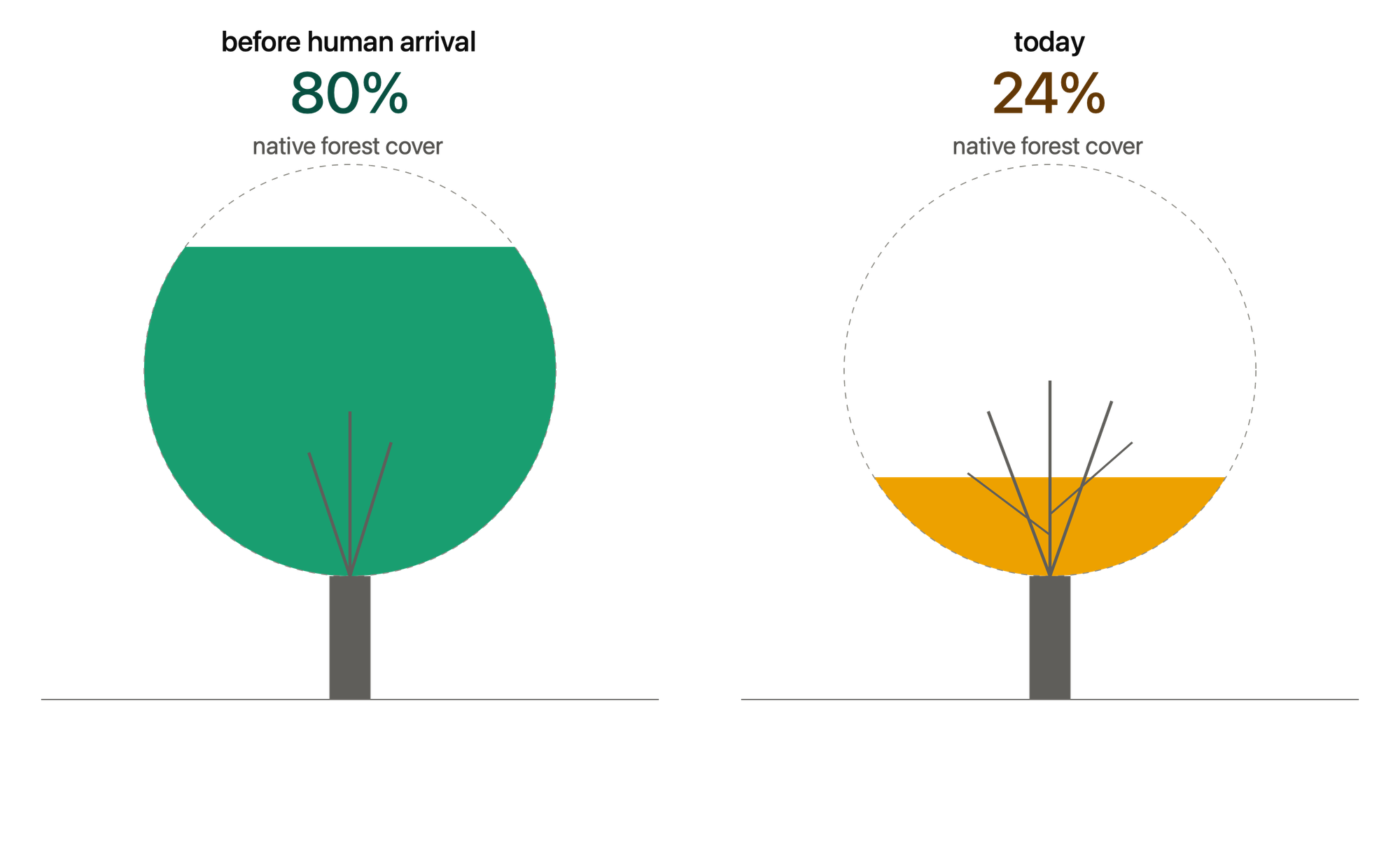
Only 24% of New Zealand's land is native forest today, down from around 80% before human arrival.
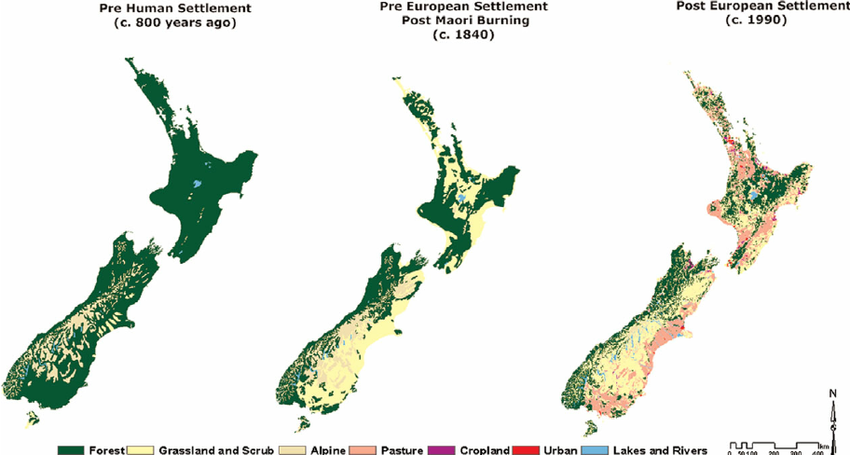
Regenerating native forest is one of the few actions that meaningfully addresses the climate crisis and the biodiversity crisis at the same time. Done in the right places and the right way, reforestation is a cost-effective way to tackle both problems together.
Planting monoculture blocks of non-native trees might lock away carbon, but they support far less biodiversity than a diverse native forest does. Native forests do the deeper work: restoring the shelter, food sources, and soil health that native wildlife actually depends on.
And this isn't separate from human wellbeing or the economy either, no matter how often it's treated that way. Biodiverse restoration carries real, documented benefits for human health.
Every single industry (food, timber, tourism, medicine to name a few) is dependent on functioning, healthy ecosystems. There is no economy without ecology. It's the foundation everything else gets built on, whether we realise it or not.
Who We Are
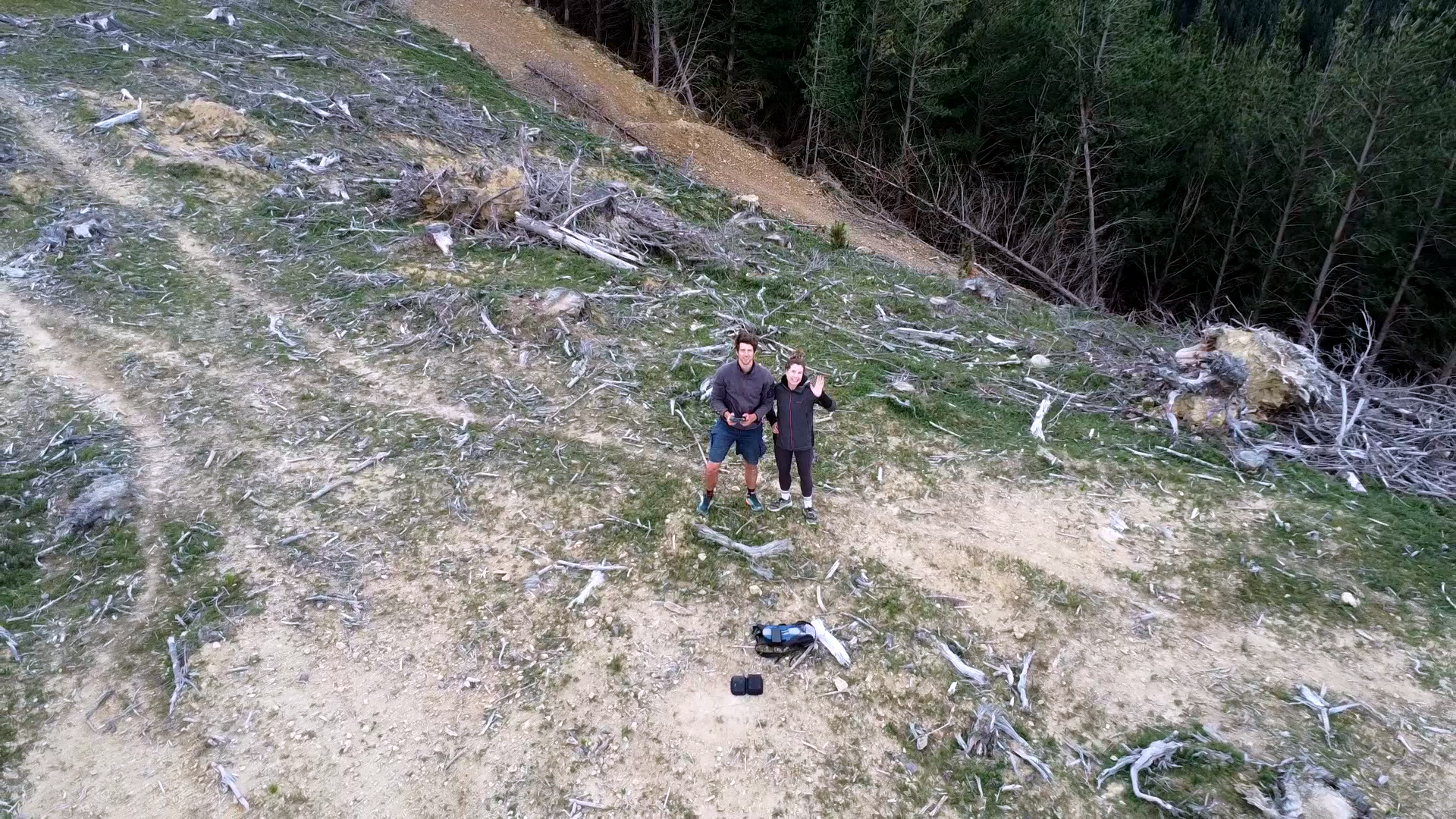
We had long been dreaming of finding a way to meaningfully and directly have a positive impact on the many crises we face on a global scale.
In 2022 we made the move from the Netherlands to Aotearoa New Zealand. Which meant packing 2 suitcases each, selling most of our belongings and traveling to pretty much the other side of the world!
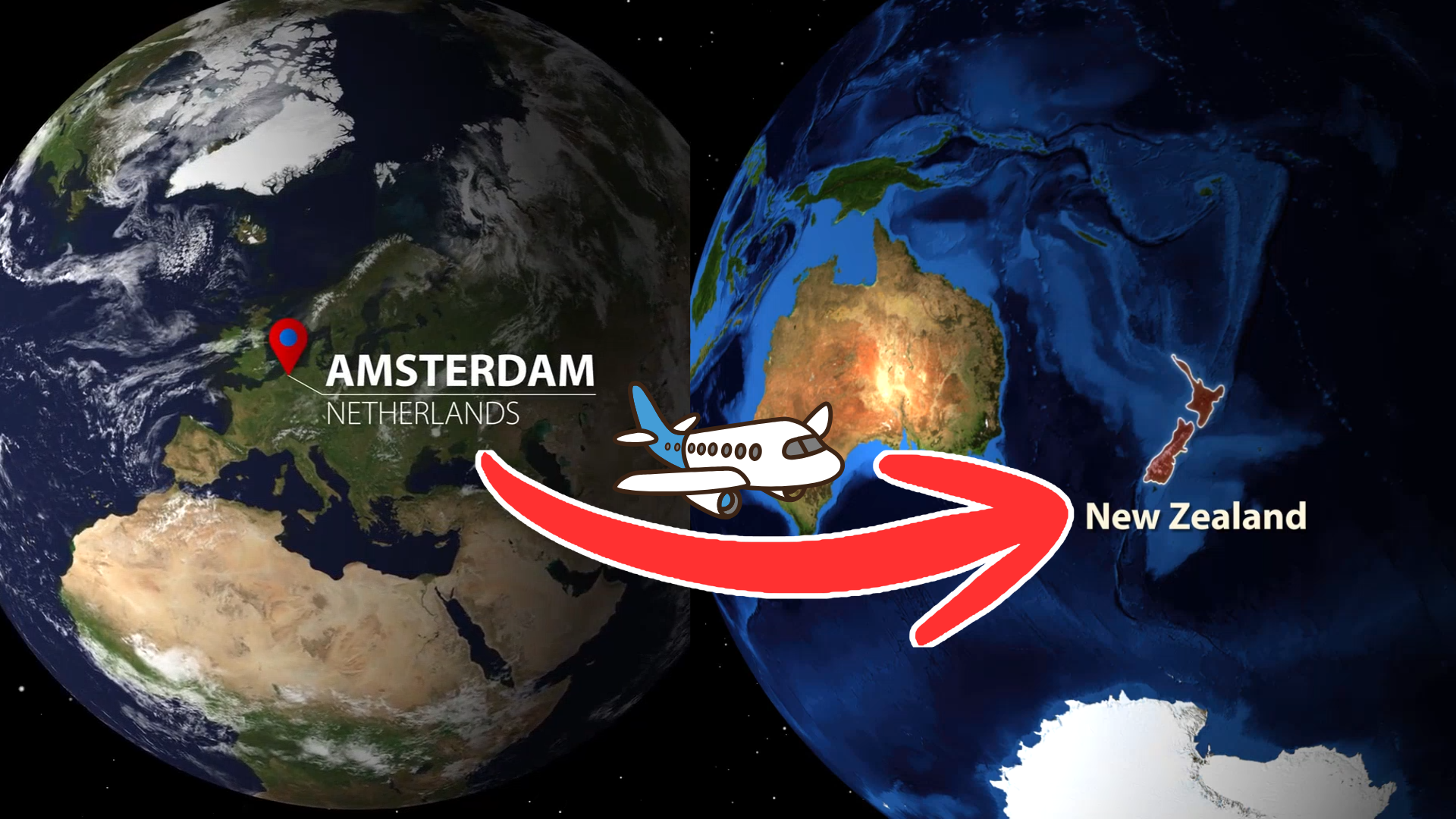
This has been our home since, and we had no idea that our journey, our adventure, would unfold like this.
In 2025 we bought a 22 hectare clear-felled hillside in Aotearoa New Zealand. We used all our life’s savings (+ borrowed a “tiny" bit more to make this happen 💸).
Our vision is to help the land regenerate into (mostly) native forest. We use a mix of rewilding, natural regeneration, and science-backed techniques. It's our own small experiment in what rewilding in New Zealand actually looks like on the ground.
And yet, we’re also very limited by many factors. We both have day-jobs that pay the bills. We don’t live on the site (yet?). And, the time we spend on the land is nowhere near the amount we’d like it to be… But this is what regenerative living in New Zealand actually looks like for us right now.
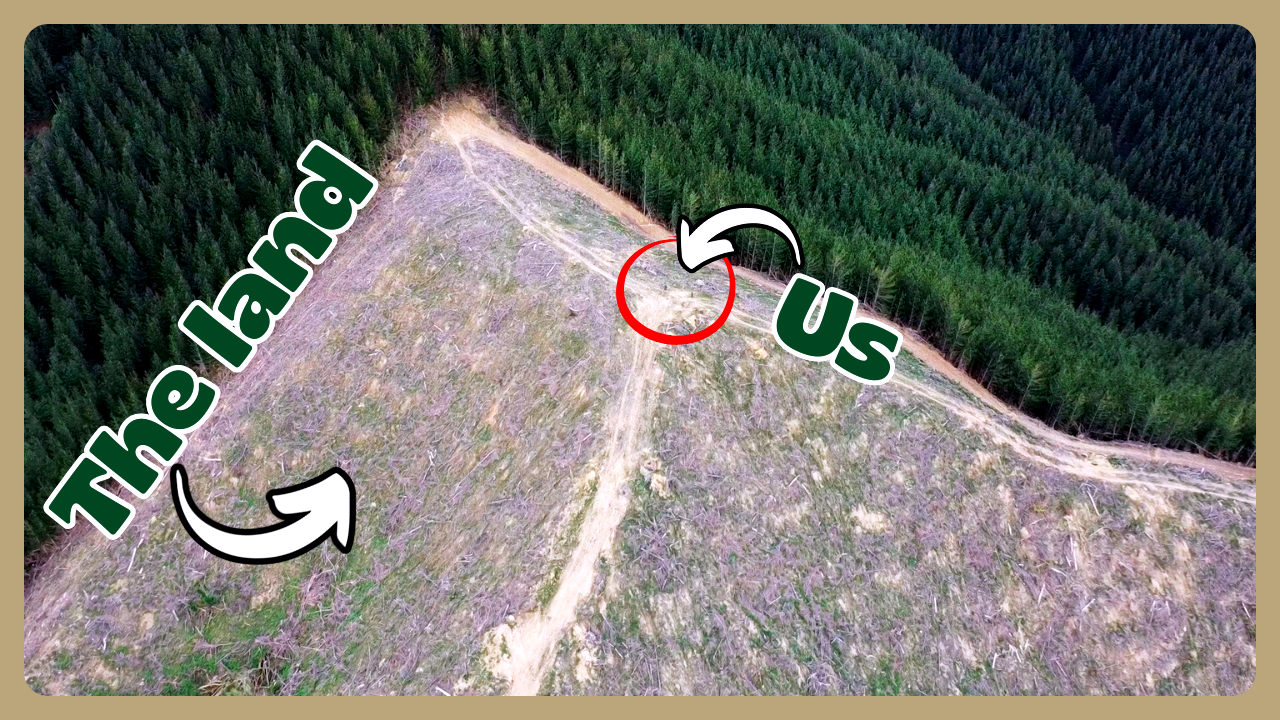
In addition, 22 hectares is big enough for us to be reminded of our insignificance as humans in the grand scheme of things. Walking from one side of the land to the other can easily take a couple of hours, depending on which route you take.
But let’s not dwell on the obstacles, instead let’s look at what has been achieved the past year. Because, what a year it has been!
Native Plant Trials and Restoring Degraded Land
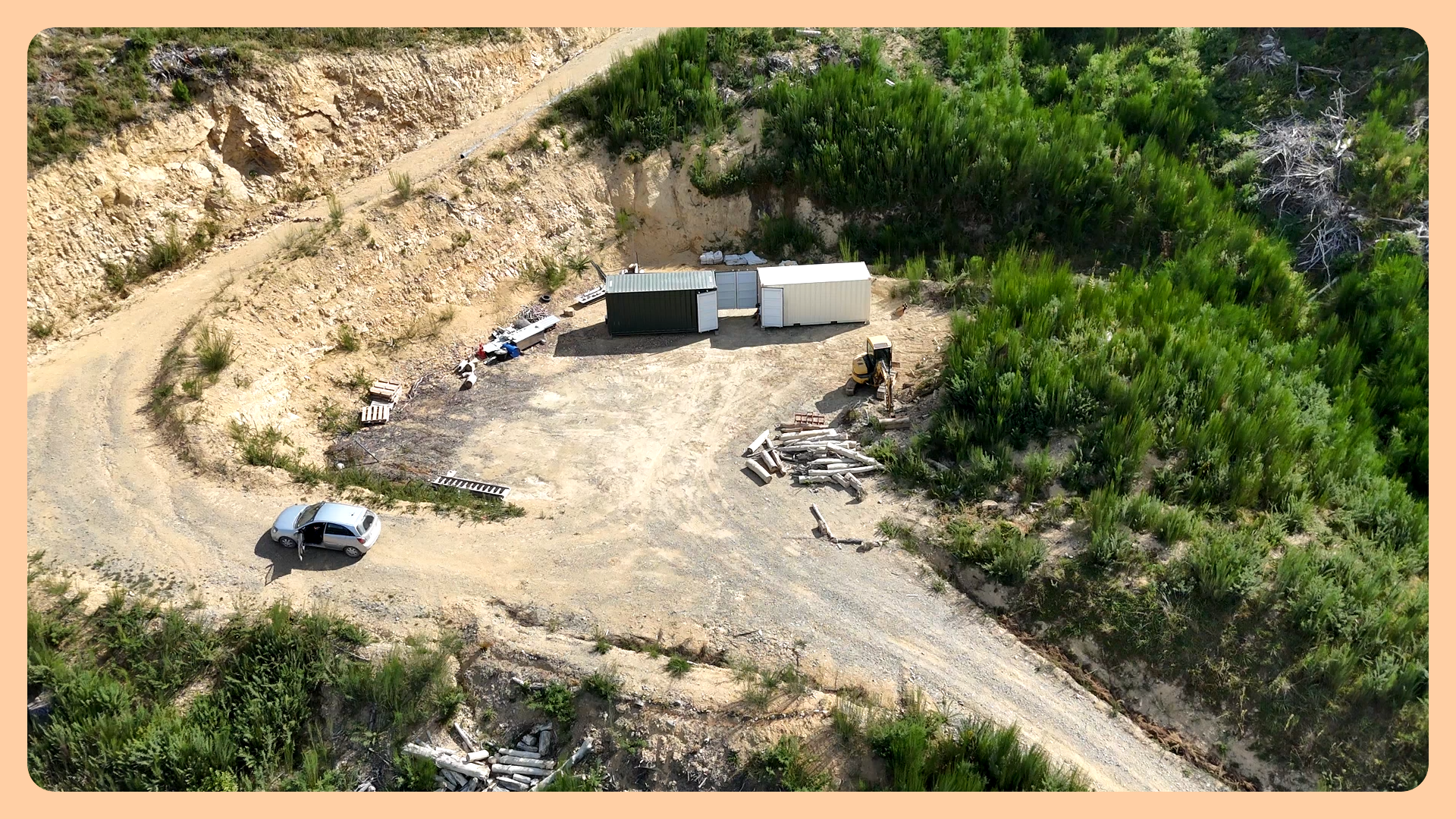
There's so much more than meets the eye in a regeneration project like this. Some things we had anticipated, but many more things we had no idea turned out to be essential to make this work.
Reforestation isn't just about planting trees. It's building infrastructure, lots of trial and error, and a whole lot of unglamorous groundwork before any visible progress even shows up.
Infrastructure and Living on the Land
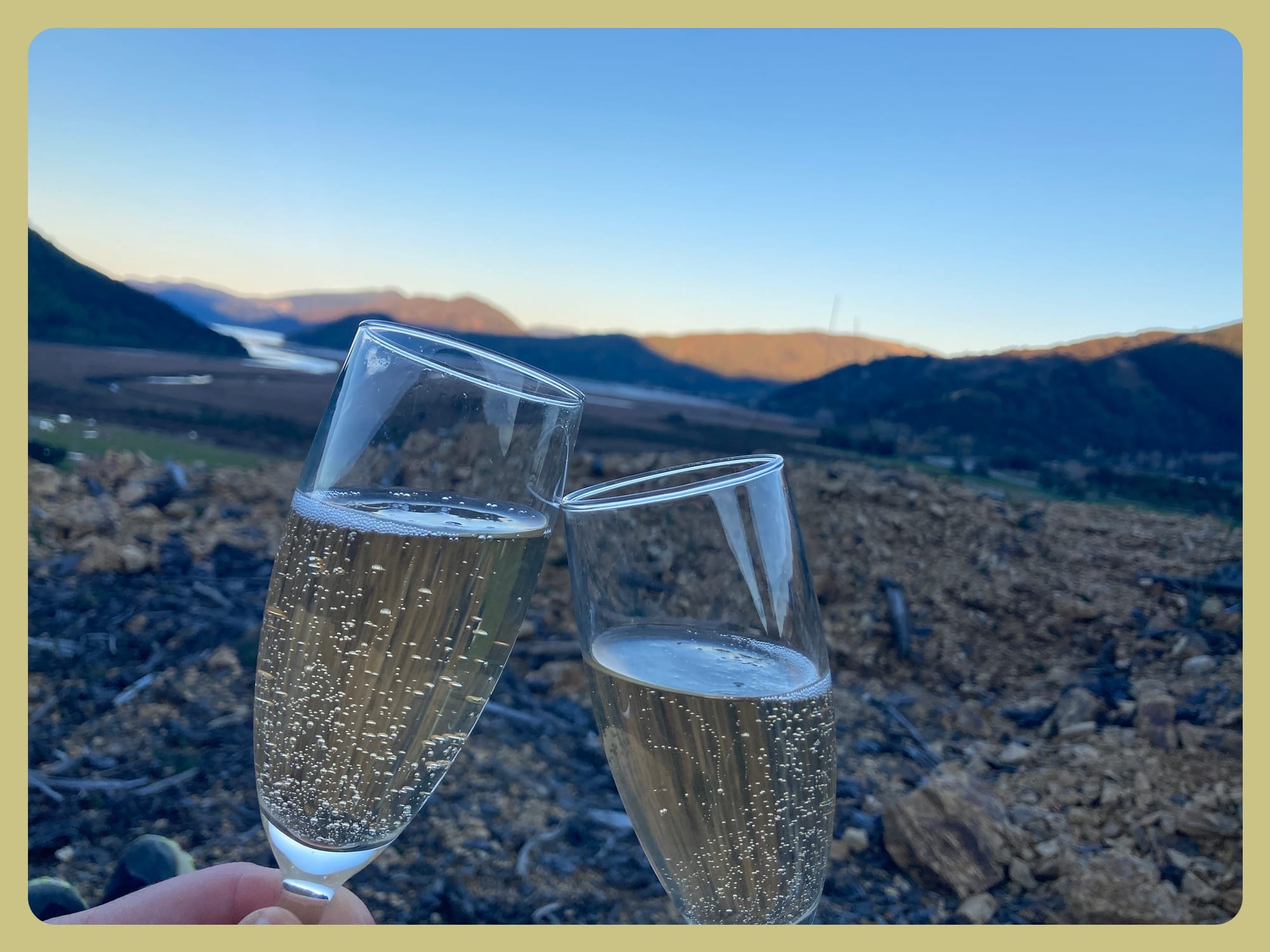
Our first night camping on the property marked the real start of the project. This was actually the weekend before the land was even officially ours (the previous owners kindly granted permission for us to do so).
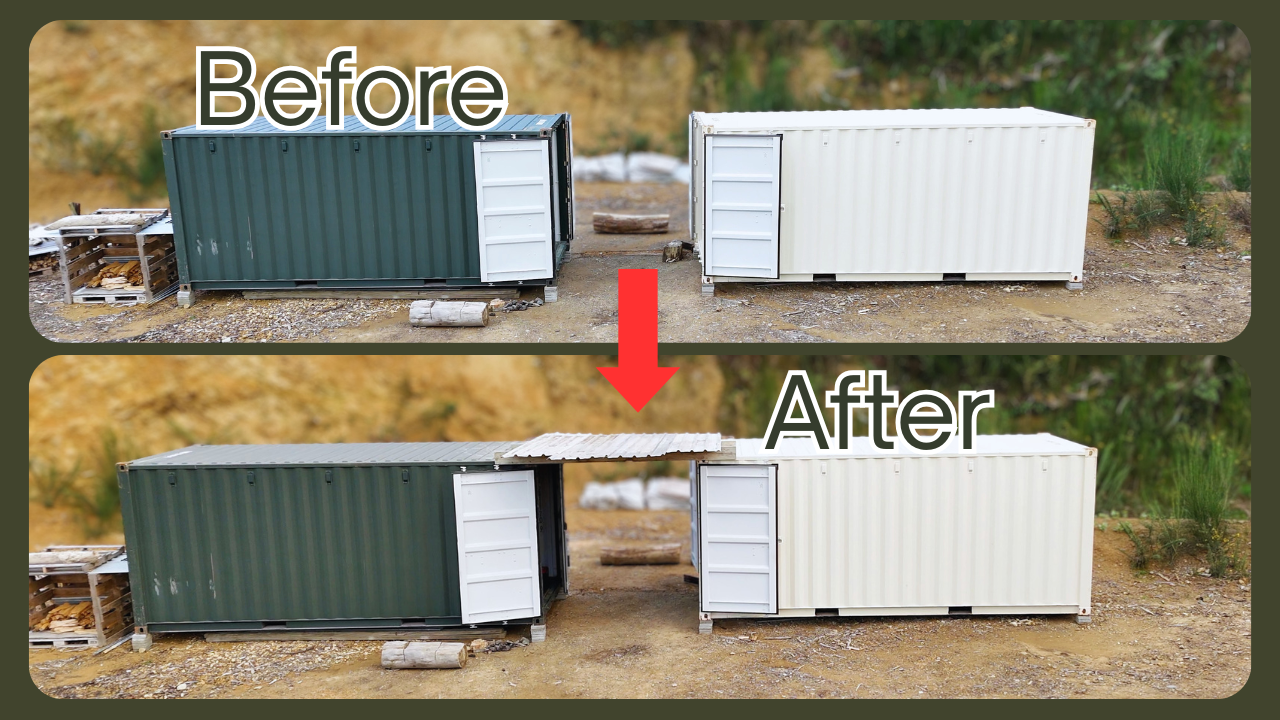
From there, infrastructure came in stages. We brought in our first shipping container as a base for tools, equipment, and shelter, then added a second container as the work expanded.
Most recently, we built a roof between the two containers, creating a proper sheltered area. A seemingly small construction project, but a significant one, as it will allow us to be more comfortable when spending time on the land.
Comfort, we learned the hard way, is essential if we are to do this work sustainably over the long term.
Reforestation and Planting
The core of the project is native forest restoration, and that started with planting native trees directly into the degraded hillside. This felt like the first real step toward rebuilding a forest that had been cleared.
Alongside standard planting, we experimented with direct sowing native seeds straight into disturbed ground, testing whether we could skip the nursery stage entirely for some species. (Although we still have heaps of natives sitting in our own native plant nursery back home, all needing somewhere to go..)
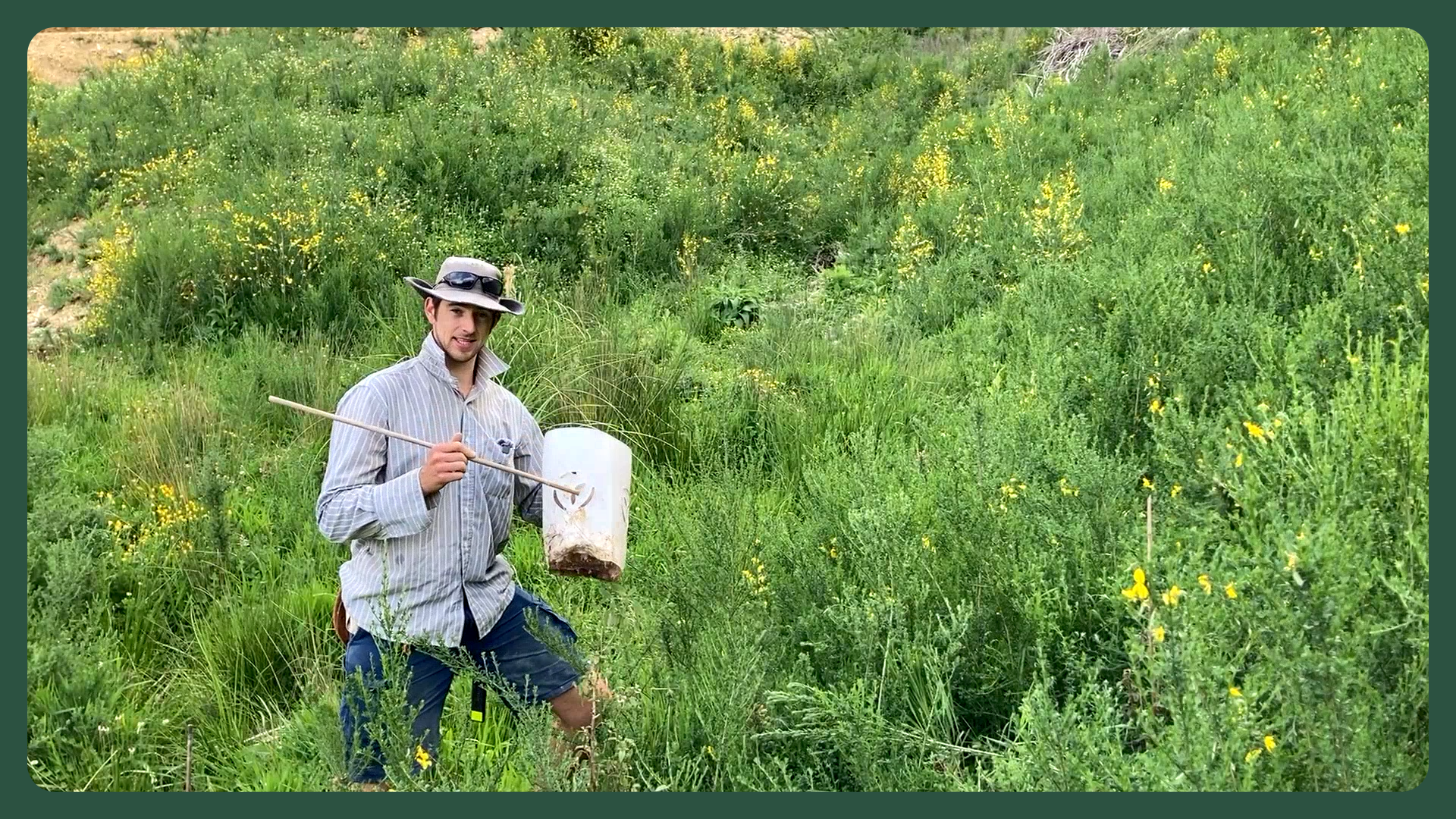
We also worked on testing different establishment techniques specifically for tree fuchsia seedlings. We looked at plant guards vs. planting underneath other plants. Whilst also using natural barriers to see which would be effective in helping them get established.
However, we also quickly learnt that Mother Nature was outplanting us with a speed and dedication that we couldn’t match, even if we tried.
A mix of natives, gorse, broom, pines and everything in between started showing up and covering the bare soil in no time. Our initial plans were to focus heavily on replanting, however we have since completely abandoned that idea. The regeneration in just one year is amazing.
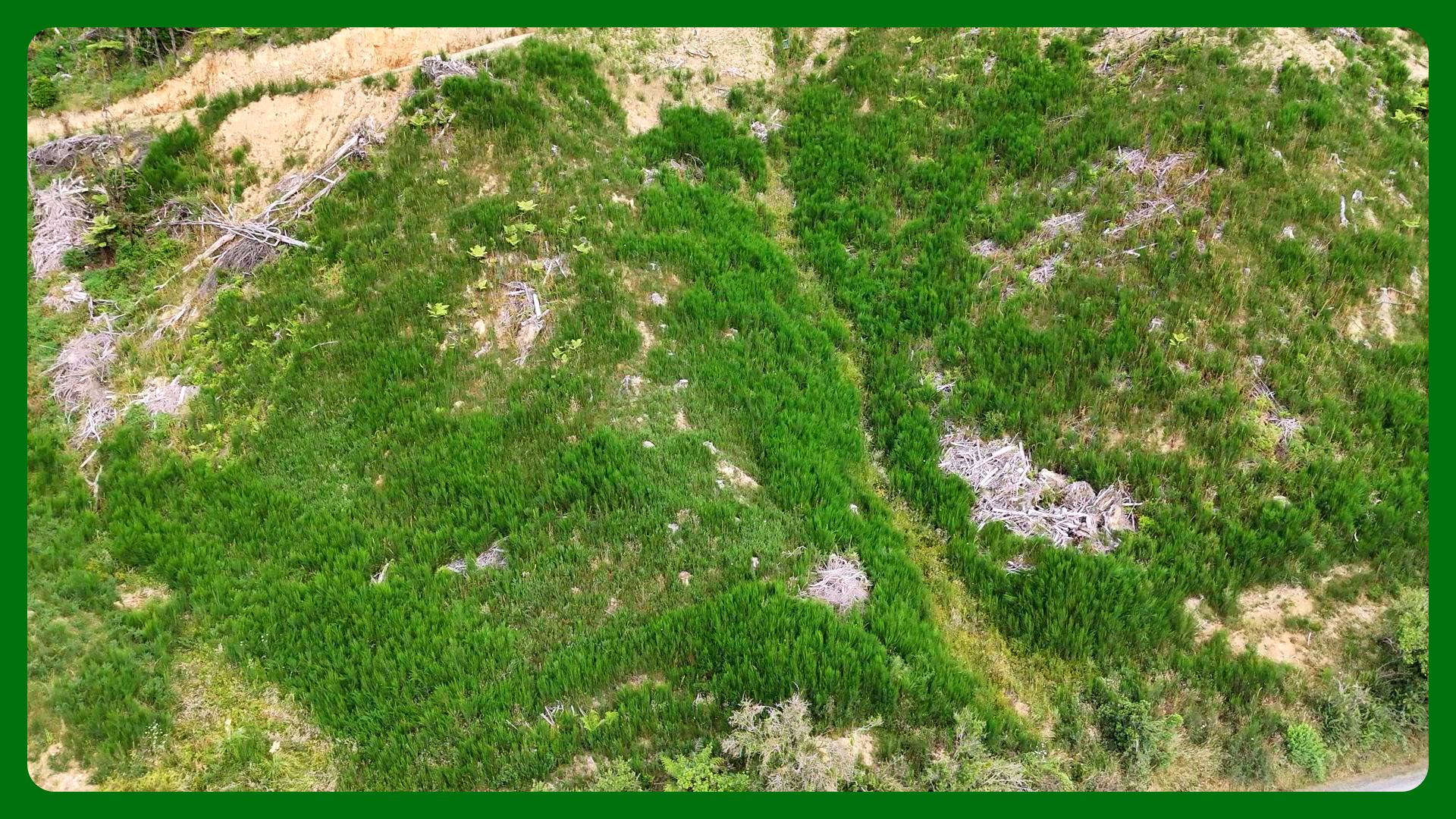
We've expanded beyond pure restoration too. We’re slowly building a vege garden, as well as planting trees for the future food forest here in New Zealand. This is actually now where we are planting most of the plants!
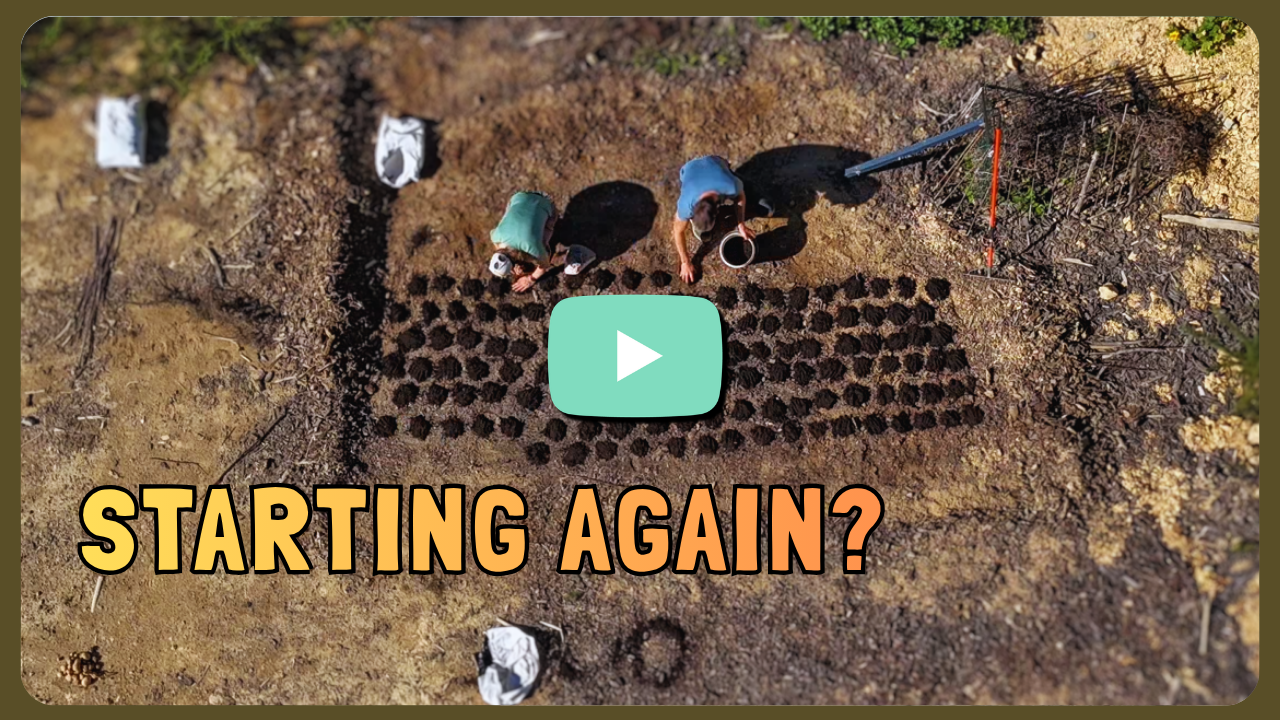
One of the major projects in the garden is to transform the rough skid site (with extremely compacted soil) into a thriving, living vegetable garden. This will take a bit of work and time.
By using permaculture principles and lazy gardening techniques (outlined in the video above), over time this land will regenerate and heal itself. The progress since planting the first broad beans in late autumn is impressive. If this is an indication of what’s to come, then things might move quicker than we could ever dream of.
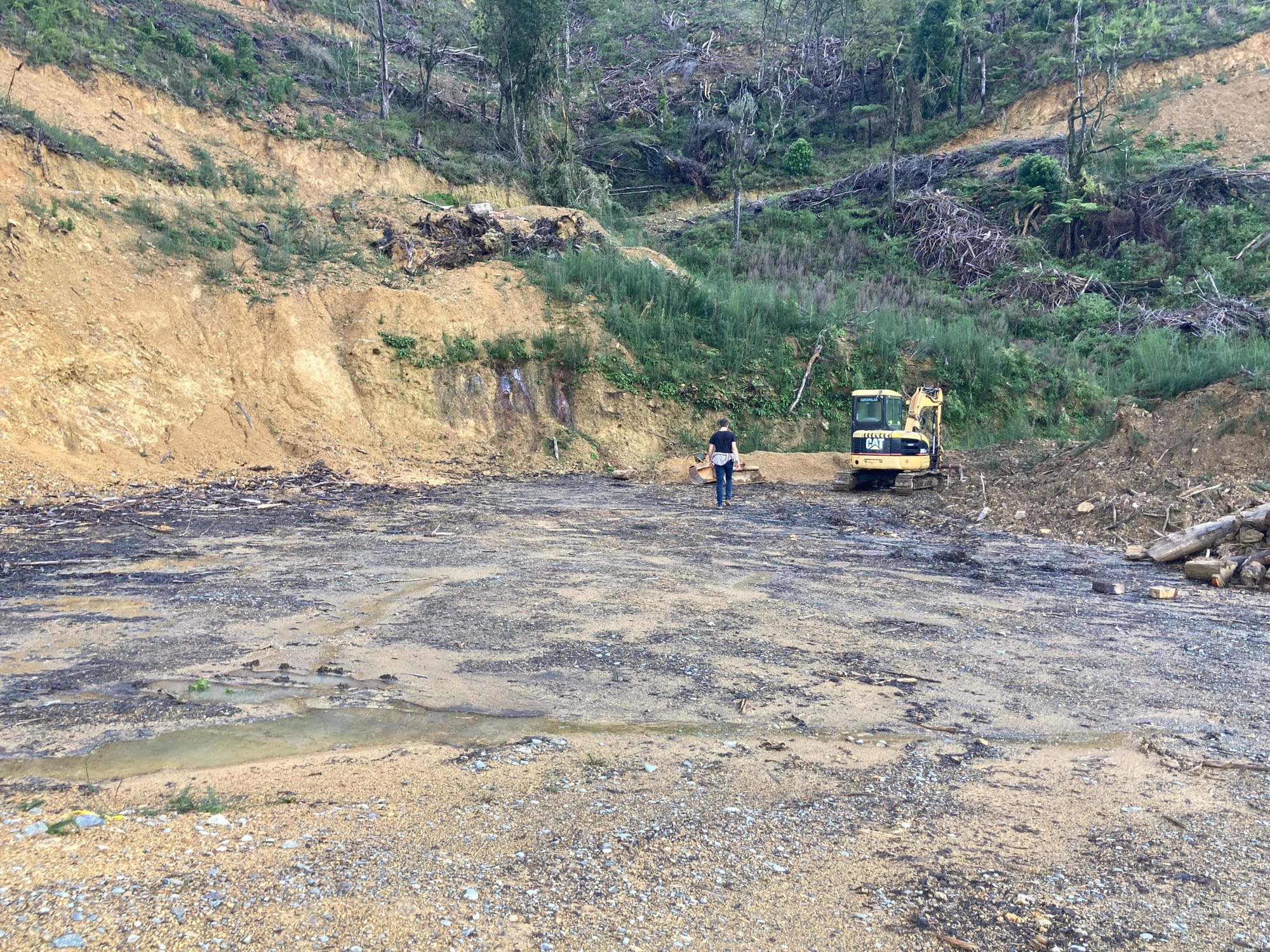
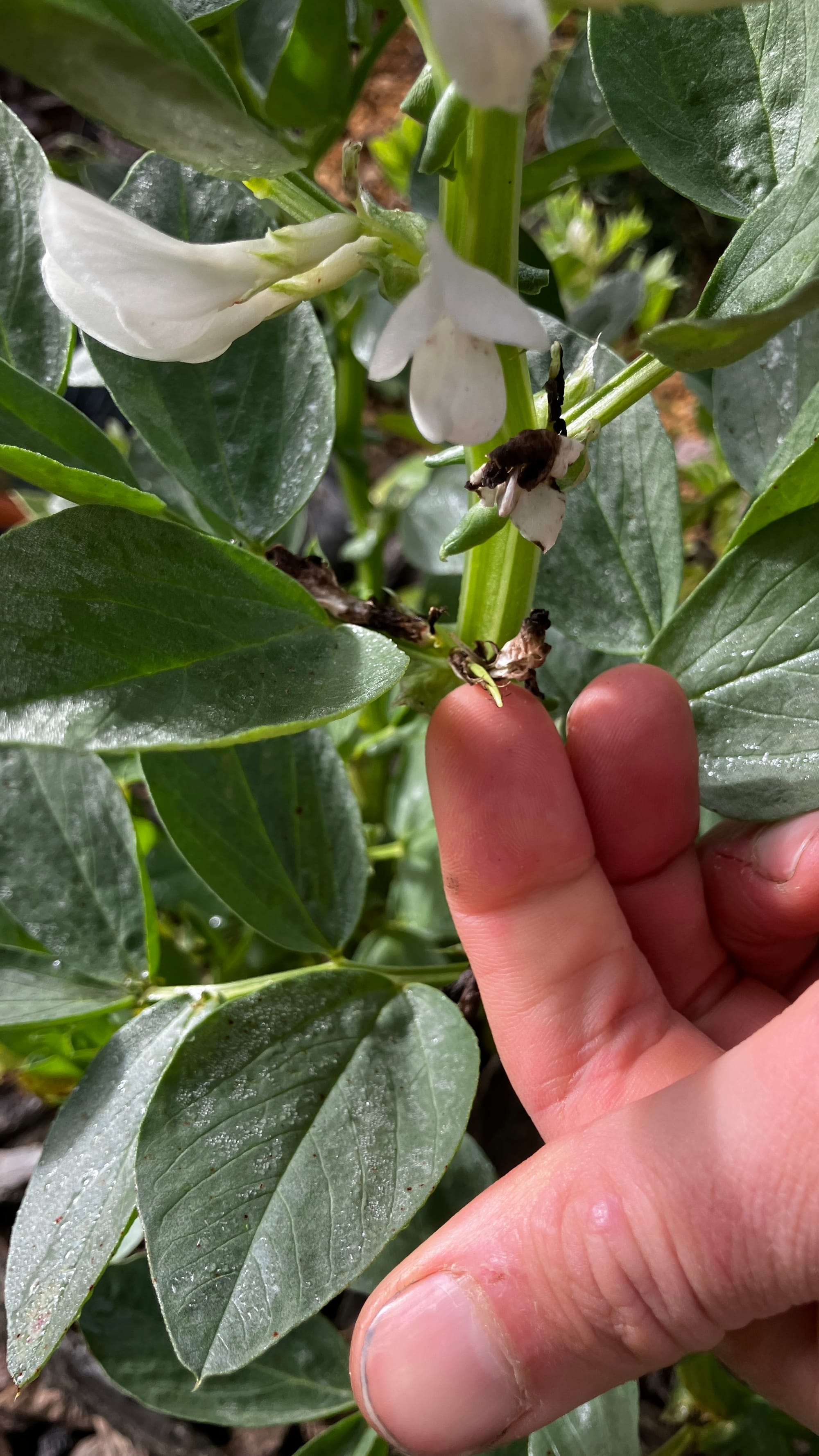
Before (winter 2025) and after (winter 2026). First broad beans thriving in what seems like impossible conditions
Land Management and Trials
Restoration on degraded land also means dealing with what's already there, not just what you're adding.
We built and monitored water berms to manage runoff during heavy rain. This is very much a work in progress, with mixed results so far, and real lessons from what didn't hold up.
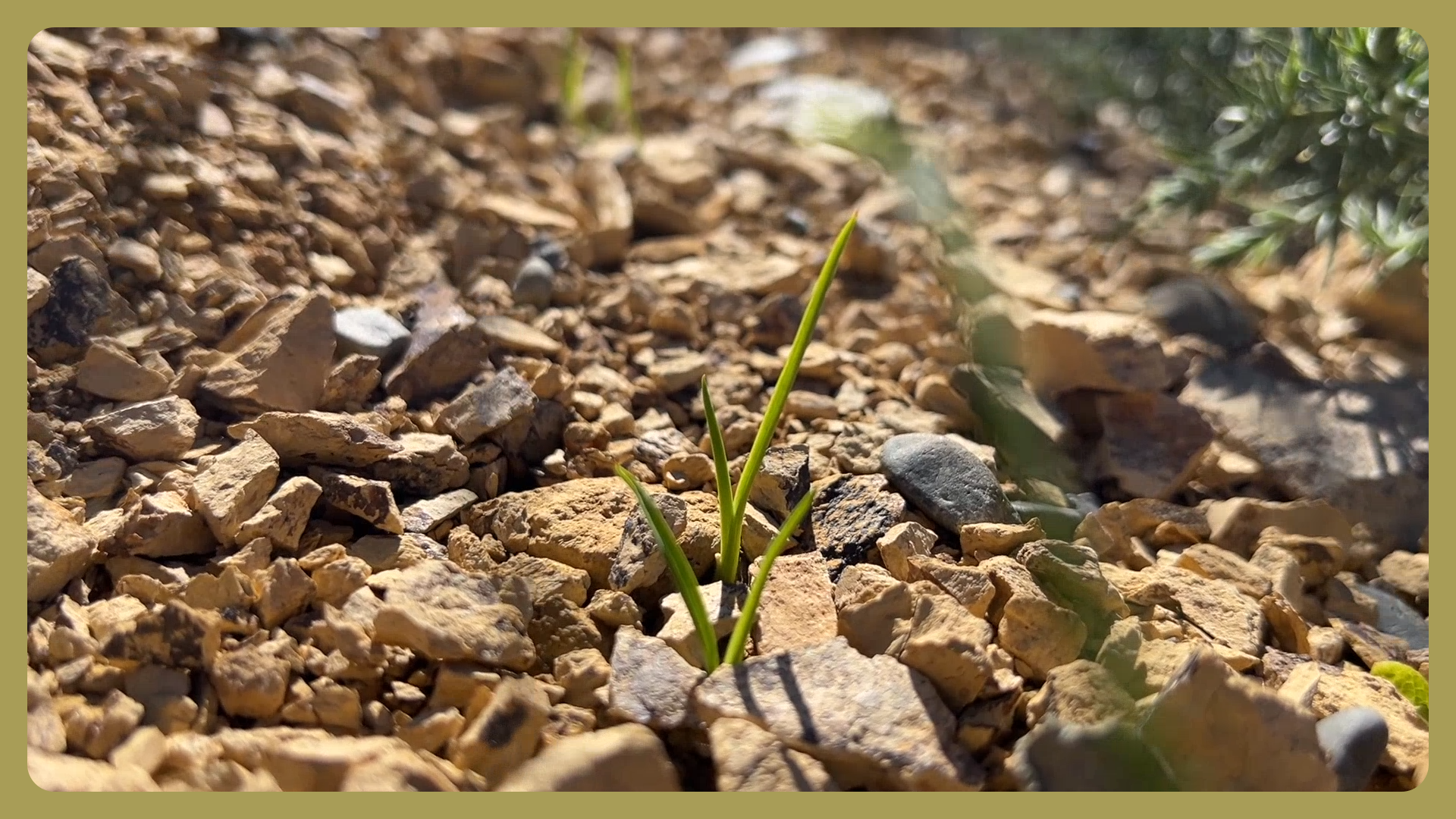
Erosion has been a constant factor on a hillside this exposed, so we've focused on hillside erosion restoration using native plants for bank stabilisation. We're using root systems of several native plants to do the stabilising work rather than engineering solutions.
For example, NZ flax, or harakeke (Phormium tenax), is renowned for its erosion control. It loves swampy conditions but can easily deal with dry situations as well. They’re a real robust plant ready to tackle almost any situation us humans throw at them.
We've also spent a fair amount of the year on invasive species control: clearing old man’s beard (Clematis vitalba), removing self-seeded pine (Pinus radiata) with chainsaws, and managing the impact of wild goats on new plantings.
In NZ, restoration is as much about removing what doesn't belong as adding what does.
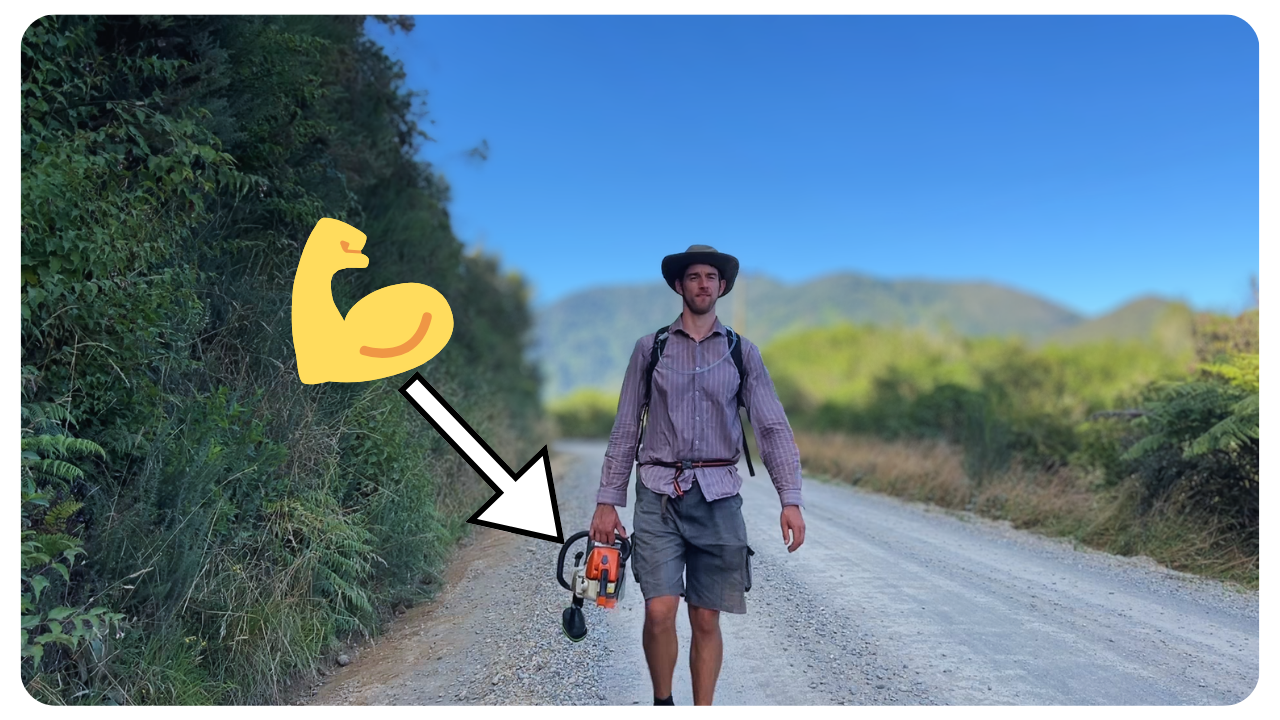
After a full year of planting experiments under real conditions, we pulled together our first native plant trial results. This was a first and honest look at which species have thrived on our specific site and which have struggled. There’s plenty more to follow up on, as the list of experiments is long. But so far, some initial results look promising.
Biodiversity: What's Coming Back
Restoration isn't just about what you do, it's also about measuring what starts returning on its own once conditions improve.
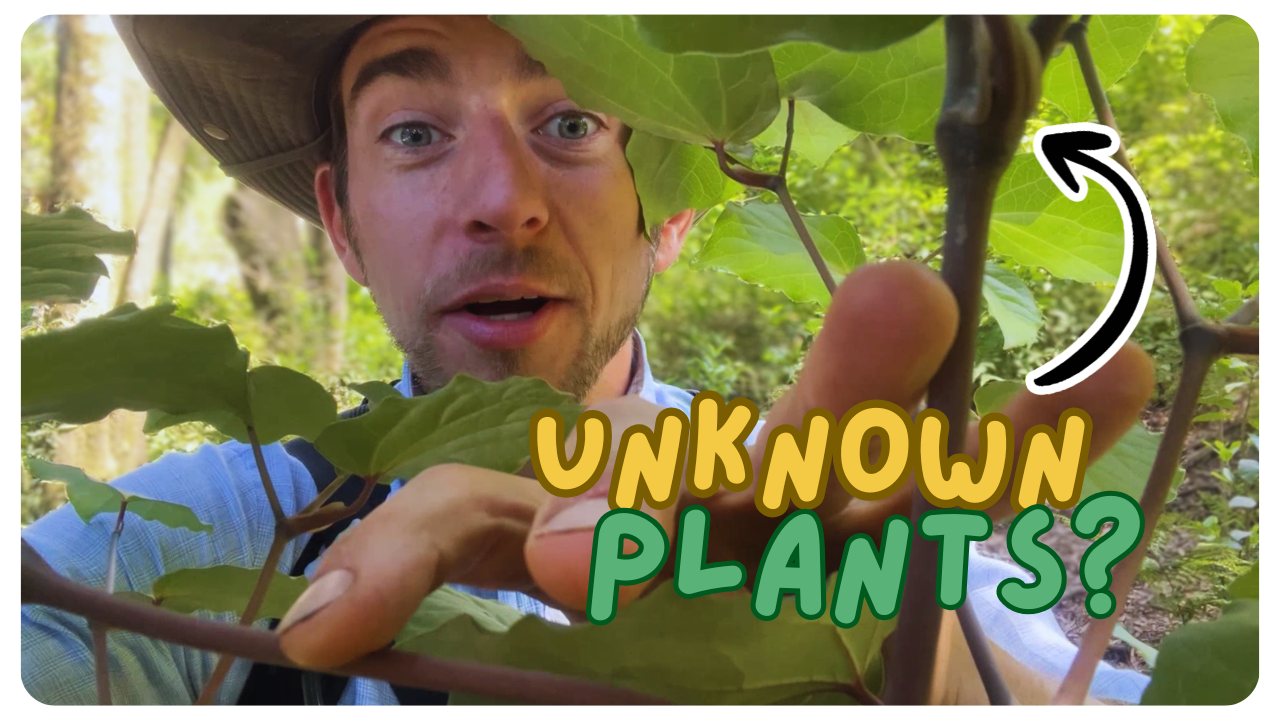
We've begun tracking biodiversity across the property as it transitions from pine-dominated land back toward native forest, watching for early signs of what's recolonising as habitat improves.
It's early. But it's the kind of evidence that, over years, tells you whether the restoration is actually working. Not just whether trees are in the ground, but how the wider ecosystem is responding. It’s a way to see, over time, whether the diversity that we hope returns, actually establishes.
What's Next
We’ve been secretly working on our own unique Biodiversity Credit system 🤩.
Most environmental credits are invisible by design. They’re a number on a certificate, a transaction on a spreadsheet, a promise you have to take someone's word for.
We're building something different: a biodiversity restoration project in New Zealand that's verifiable, transparent, and tied to a specific, real piece of land you can watch recovering in real time.
Working title: the Elements of Resilience Biodiversity Credit (final name to still be decided, suggestions anyone?).
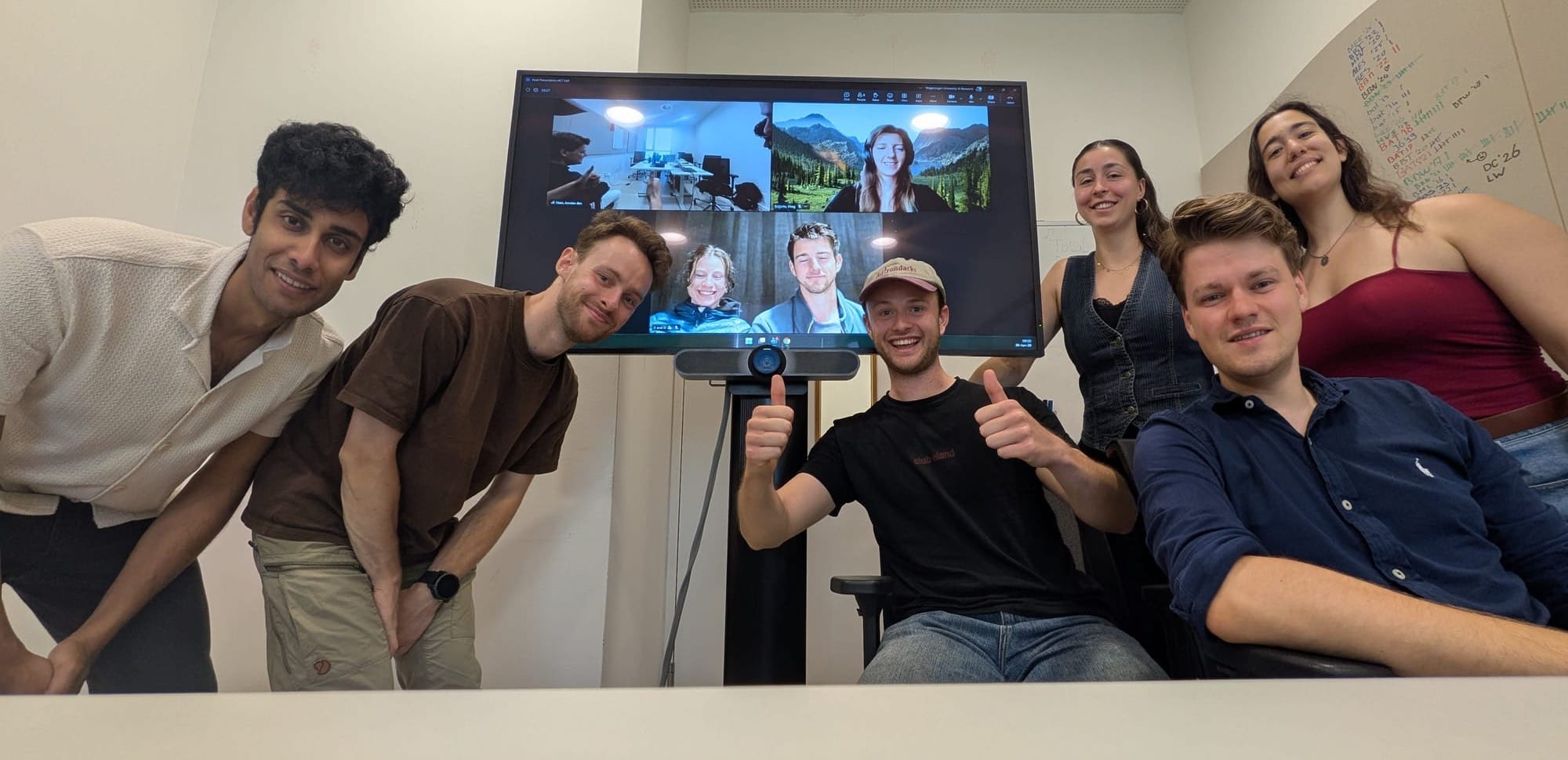
We worked together with 6 students from Wageningen University during an Academic Consultancy Training module. This course trains the application of the Master level academic skills in an almost professional setting of a small consultancy team working for a true client on a real work assignment. It helps students get ready for the work field, and helps businesses tackle a real-world problem, a true win-win.
The team helped us lay the groundwork for what will be our bespoke credit system uniquely tied to our land, solidly backed by science and economically viable.
Using five-minute bird counts, vegetation performance tracking, tree heterogeneity mapping, and insect composition data, we're building a proprietary framework. It will measure what's actually happening ecologically (not just what we hope is happening).
The long-term vision is a credit system where anyone - an individual, a family, a business — can point to a corner of Aotearoa New Zealand and say with confidence:
that forest exists, it's measurably more biodiverse than it was, and I helped make that possible.
We're not there yet. But we're building it honestly, in public, and the data is already being collected.
We’ll also be gearing up for another season in the field. Pulling pines, removing invasive weeds, doing more field experiments and managing goat pressure by learning how to hunt.
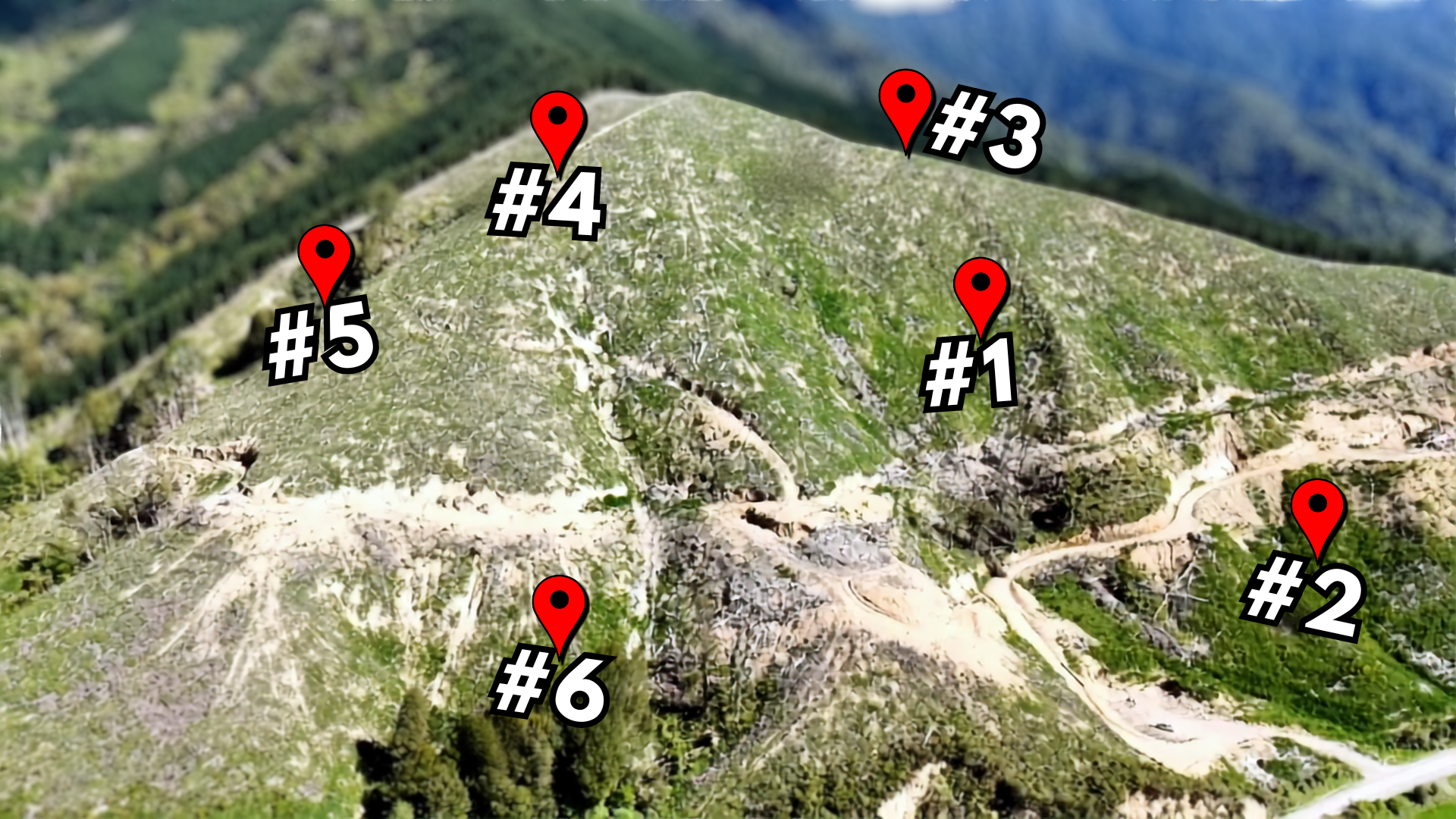
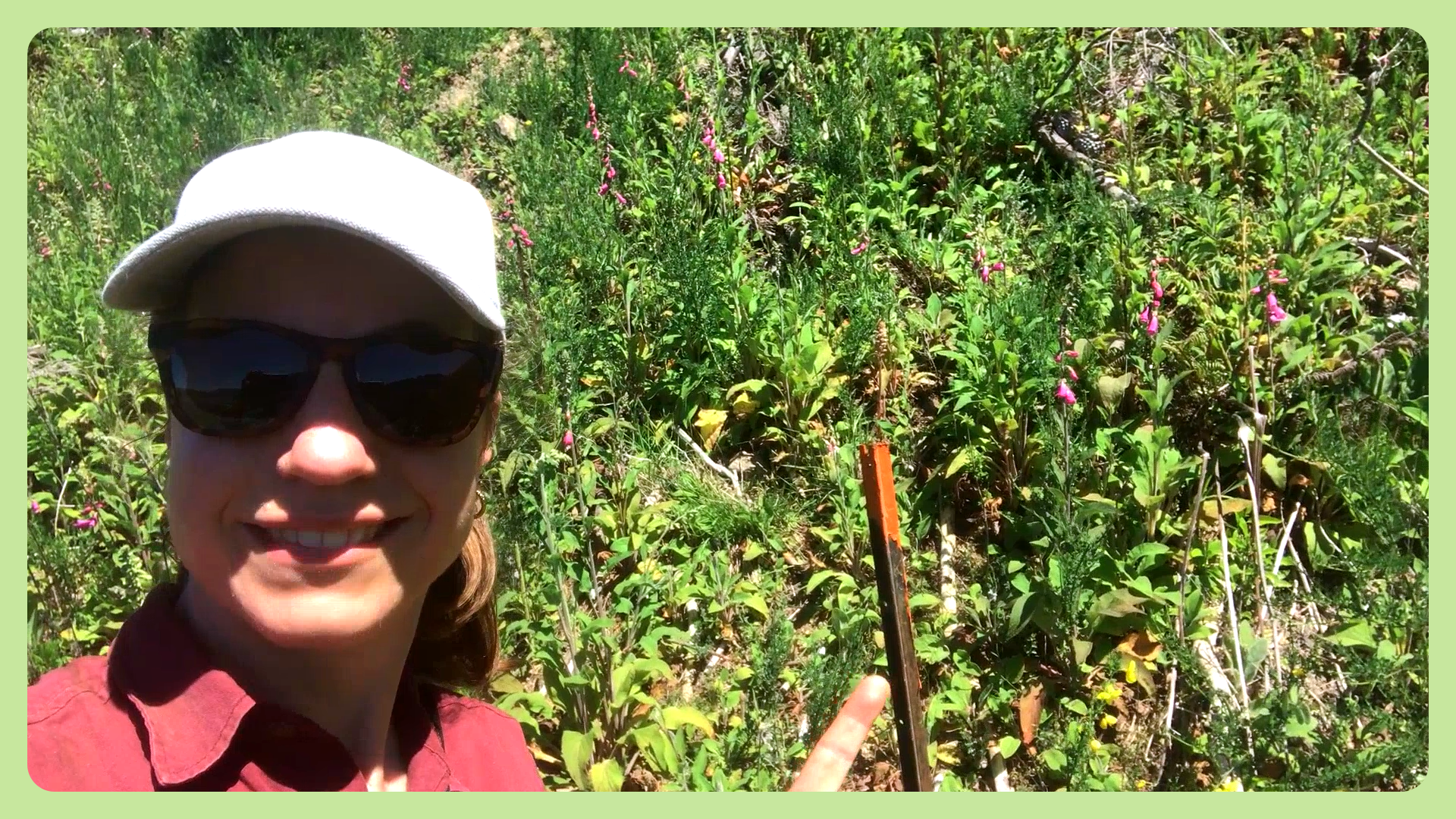
Summer will include another round of measuring biodiversity in our six biodiversity plots. We'll also be dealing with a million unforeseen issues that were included in the unplanned plans of life...
Chipping away at the essential infrastructure projects is also high on the priority list. Our half-finished compost toilet really needs to be finished. Some form of rain water collection before the summer would be great. And tunnel houses built from salvaged materials has been on the to-do list for a long time now. The list is (almost) endless. But hey, what fun is a project you can finish in a day?
Follow the Restoration
If you want to follow along as this unfolds, you’re in the right place! Our monthly newsletter, published here, covers the project's progress in detail. Make sure you’re subscribed to receive it in your inbox (for free).
Our ▶️ YouTube channel has the full video record of everything above (you can click any of the photos or links to go to a specific video that we referenced).
For those who want to go deeper, our membership includes behind-the-scenes content and extended videos that don't make it to the public channel.
It is also a way to directly support our work: producing content (like this wonderful newsletter you just read) takes a lot of time and effort. You also support designing our biodiversity credit system, our back-breaking field work and everything else that goes unnoticed as the forest recovers.
This month, members get access to the full dataset of our initial biodiversity measurements.
A huge thank you to our current members that put aside 2 cups of coffee each month to build this grandiose dream with us 🤗.
This is only year one. There's a lot more ground to cover. And we’re only just getting started 😎! Catch you in a next update.
With ❤️,
Danique & Xander