150+ plants in the ground and something BIG to share
This is our second newsletter since relaunching, and there's been a lot happening since then. One of which is our brand new membership. Read more to find out ->

This is our second newsletter since relaunching, and there's been a lot happening since then! Between May and July we've had our heads down: planting, filming, and building something behind the scenes we're excited to finally share.
💪 What We've Been Up To
First, the roof on the containers is now done! If you've been following along, you'll know we mentioned it last time as a milestone.
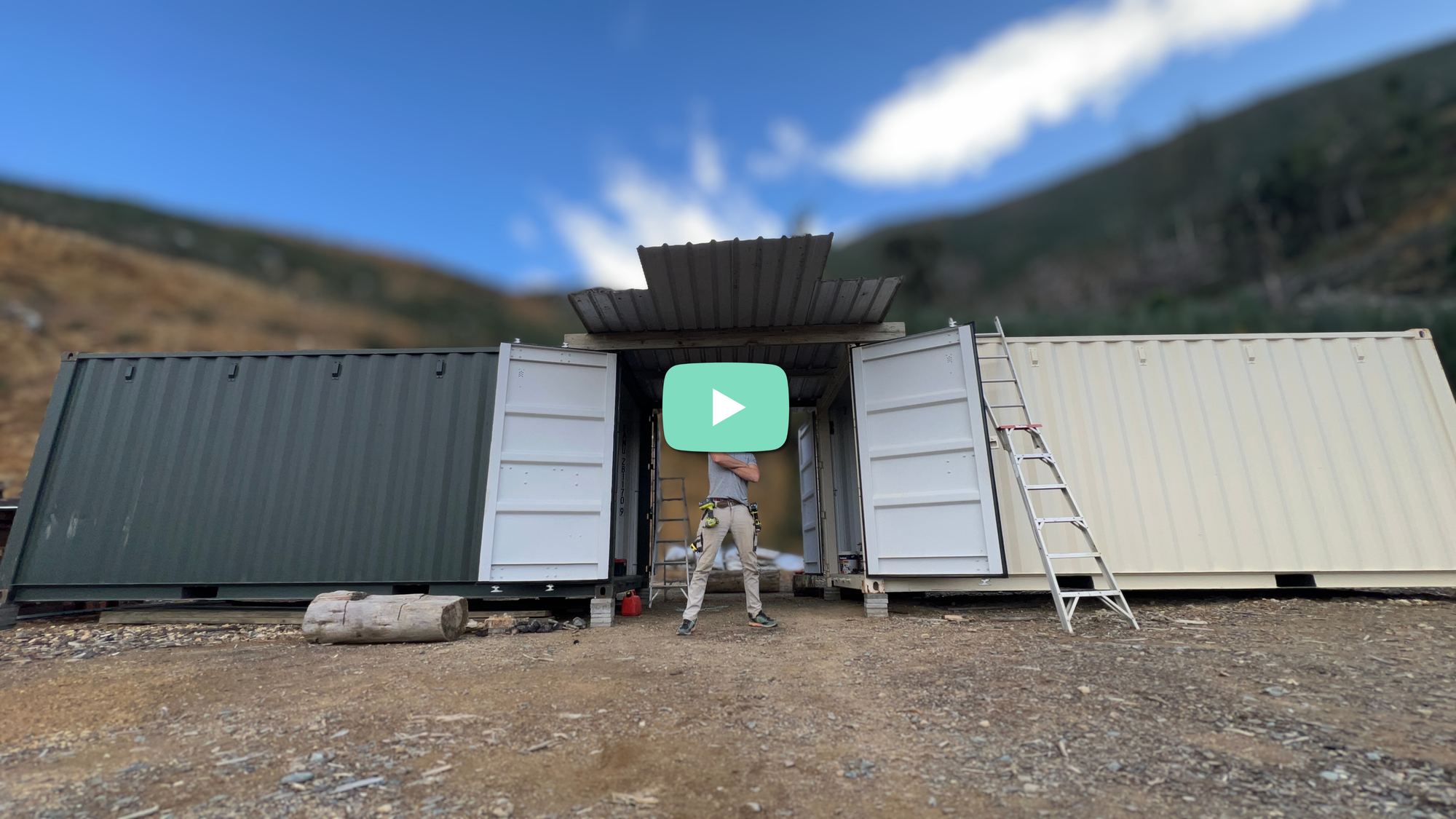
We've now put a full video together showing how it came together (click the image above to watch). Worth a looksie if you want to see what a roof over two shipping containers actually looks like in practice.
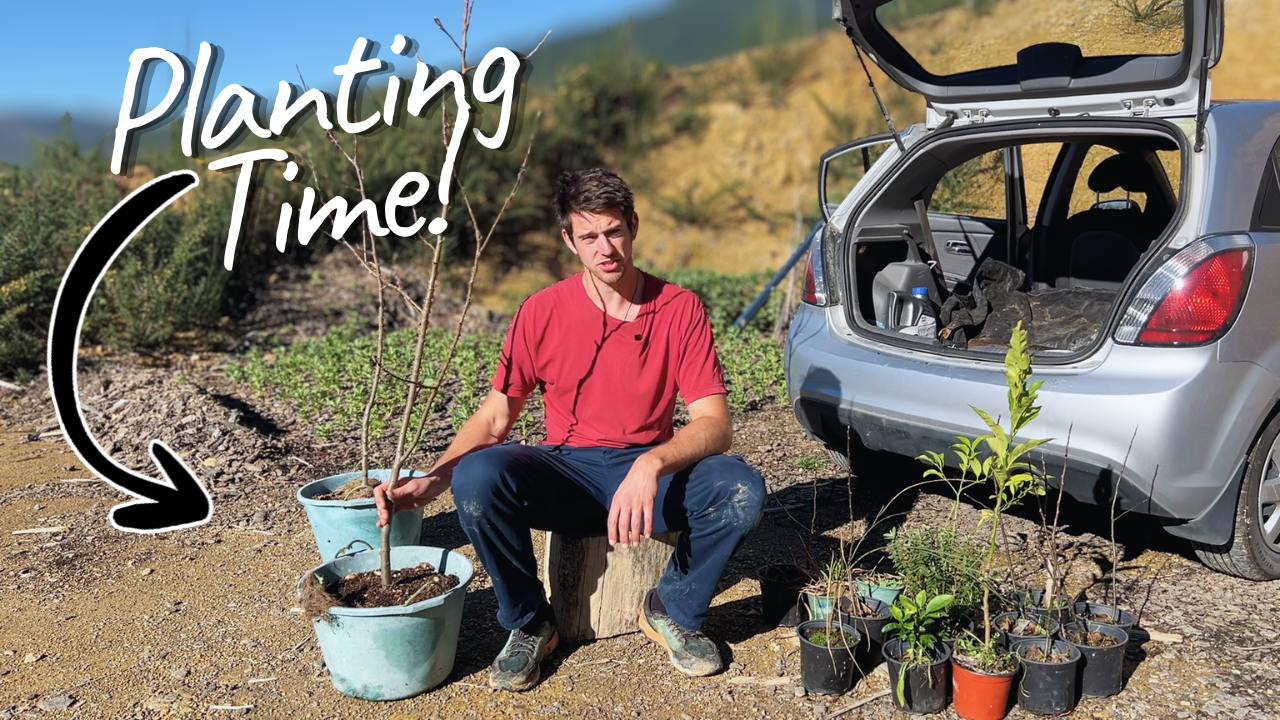
On the planting front: we've had four serious sessions out on the land since May, and the numbers have added up faster than we expected.
24 May: 14 Hedycarya arborea, 2 Beilschmiedia tawa, 6 lemons -> a mix of canopy-species natives and the beginnings of our food forest edge.
13 June: 44 Veronica spp, 4 Pseudopanax arboreus, 1 Kahikatea, 1 Totara, 3 Dodoneae viscosa, 1 Karaka, 1 Ngaio, 2 Poa cita -> this was the biggest single session yet, and hence the one that took the longest!
12 July: 3 daylily, 2 Poa cita, 8 lancewood, 3 Libertia sp., 5 Griselinia, 1 fern, 16 currants, 1 Podocarpus nivalis, 2 mountain pawpaw, 2 tomatillo, 1 Coprosma crassifolia, 1 Corokia sp. -> Rounding out the mix with more food plants and ground cover species.
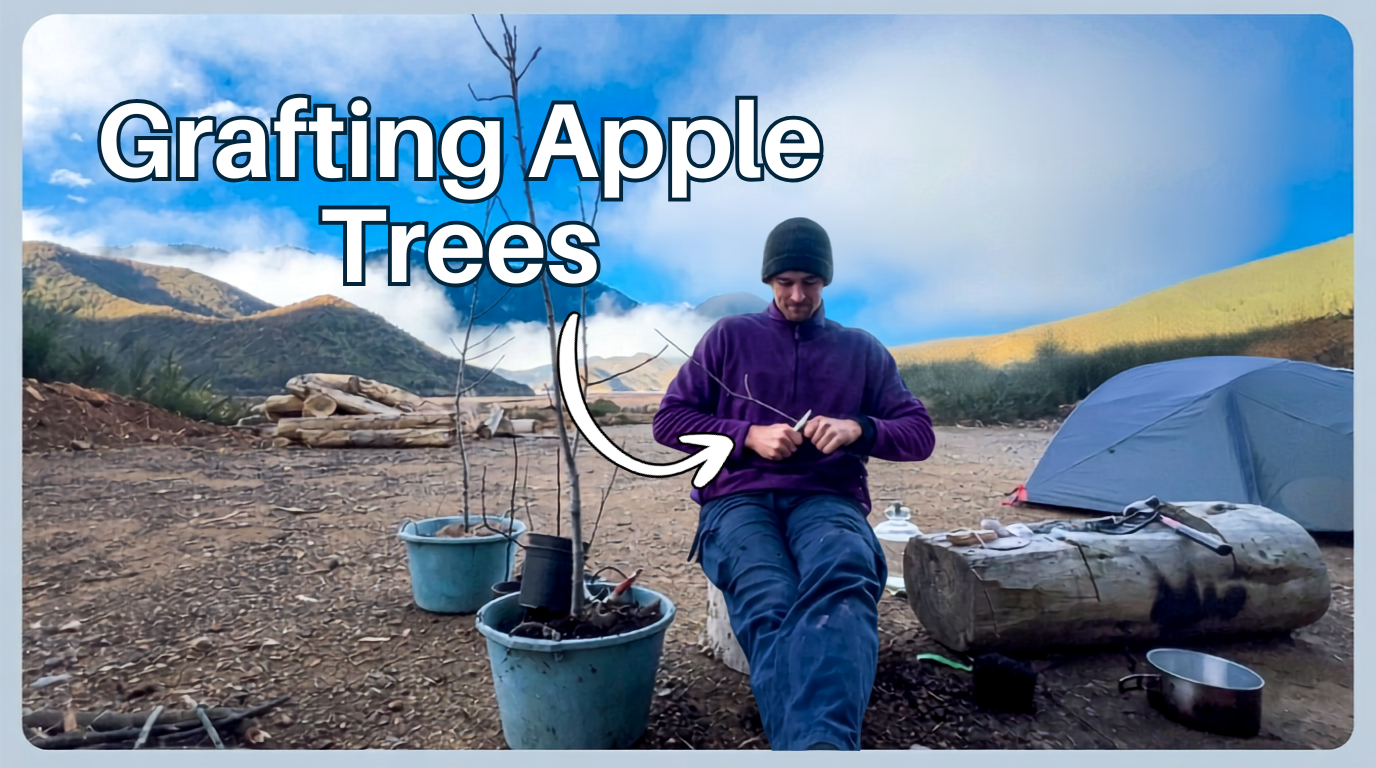
19 July: 7 grafted apples; of two varieties: Monty’s surprise & Sunrise, 2 additional daylillies, 1 Veronica sp., 18 black currant, 1 Apple Monty’s surprise (mother tree), 1 Apple sunrise (mother tree), 3 citrus (grown from seed).
I grafted the apples myself, which is somewhat easy to do...I’ve got a video down below to see the process if you’re interested.
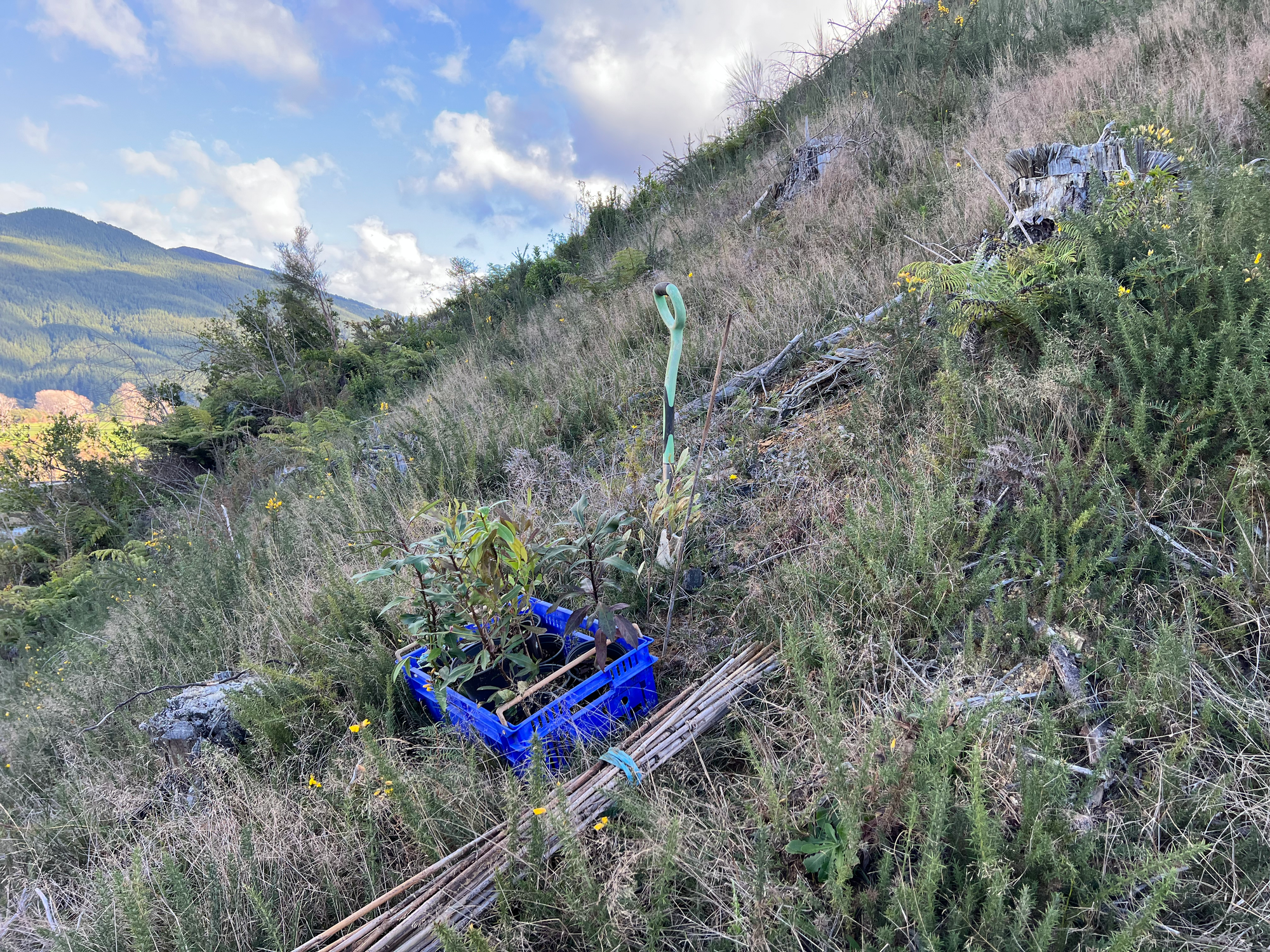
That's well over 150 plants in the ground across ten weeks. Winter planting is deliberate: dormant plants put energy into root establishment rather than leaf growth, and the cooler, wetter conditions do a lot of the aftercare work for you.
Behind the scenes, we've also been working on something we've wanted to build for a while, and it's now live!
🌿 Membership is open
We've launched a paid membership for people who want to follow the project more closely. The youtube videos and free newsletter stay free, you'll always get the core updates there.
But membership gets you involved more deeply: behind-the-scenes content, extended videos, and the details that doesn't fit in a monthly email.
For example, members this month get access to a video of Xander grafting apple trees on the property. Hands-on, unscripted, and the kind of thing we'd never put on the public YouTube channel.
A line worth sitting with
"It takes a village to restore a forest." — after Wangari Maathai
Thanks heaps for being here. Whether you've been following along for a while, or just joined us, whether you become a member or not, it’s great to have you along for this adventure of a lifetime! It means a lot.
With ❤️,
Danique & Xander
If you're a member, here's the deeper look we promised. If you're not a member, here's a sneak preview of one of the awesome extra's members receive!👇
Why these species, and what they're actually doing on the hillside
One thing worth saying upfront: this planting list isn't a perfectly engineered restoration sequence.
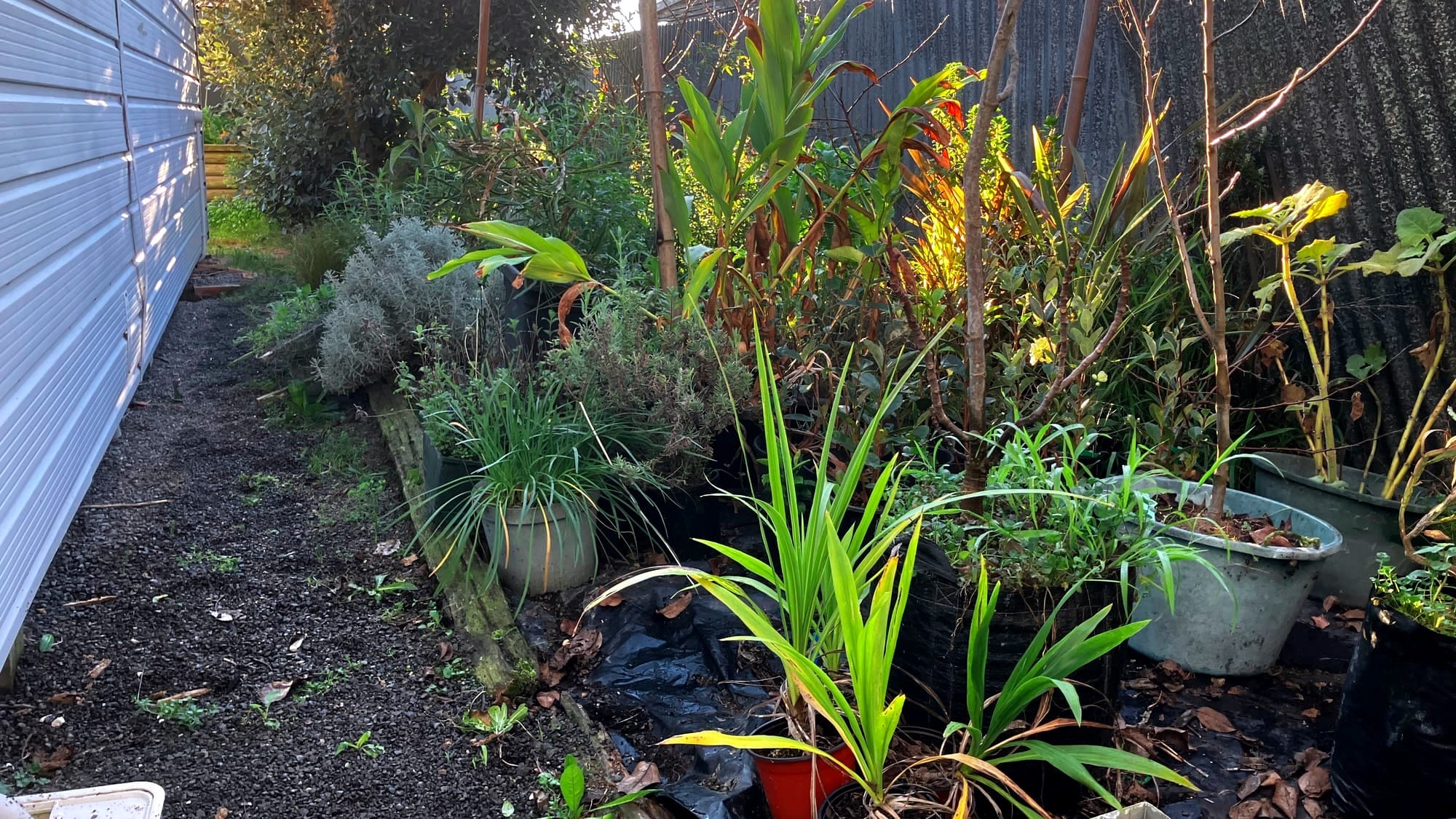
These are largely the species we had ready in our own nursery, which makes the mix somewhat opportunistic at this stage. That's the honest version. What follows is what each species is actually doing ecologically, and how we're thinking about what comes next.
The bird magnets — food and seed dispersal
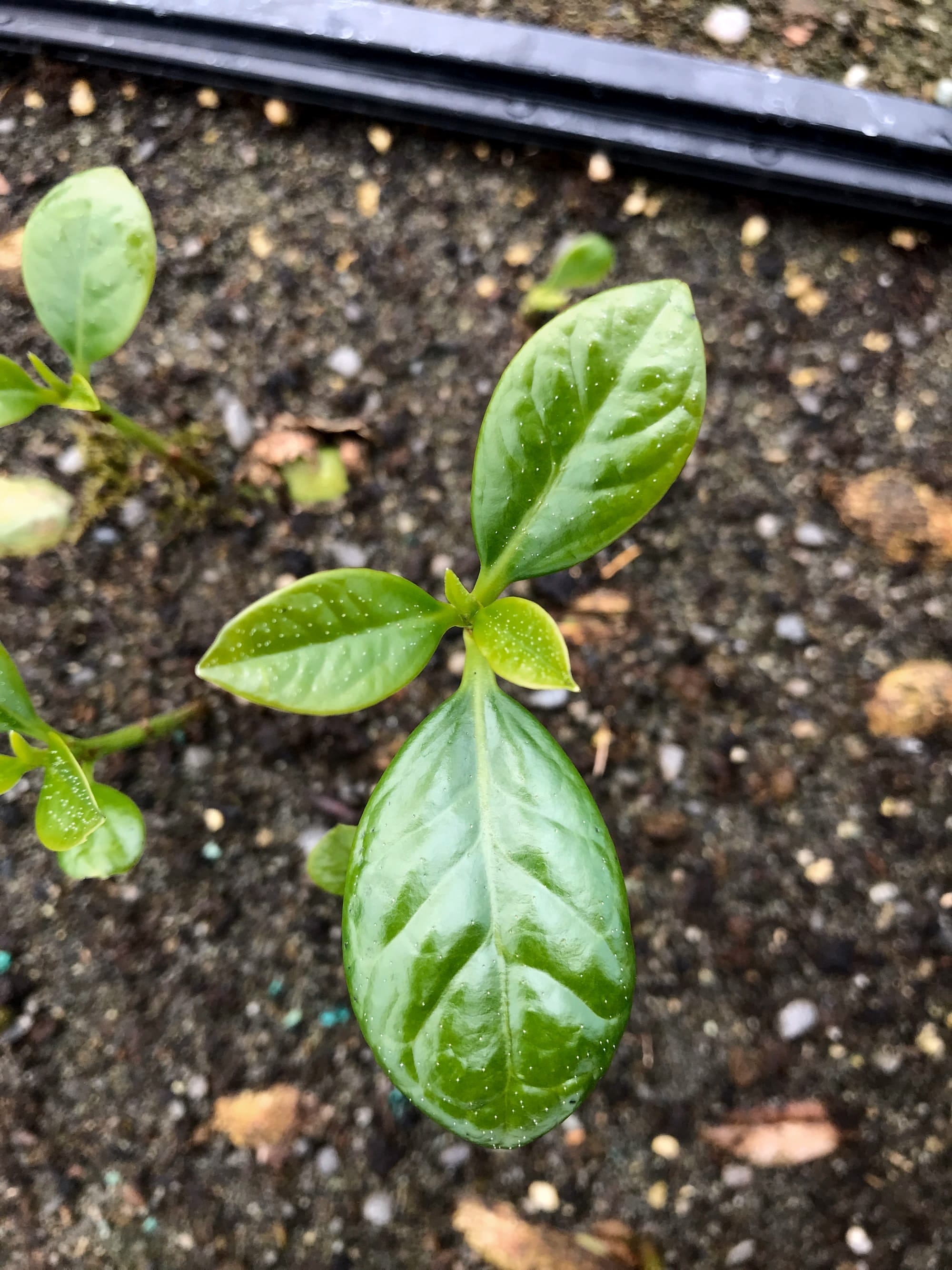
Tawa relies almost entirely on the kereru (New Zealand wood pigeon) for seed dispersal. This means planting tawa is also an investment in attracting the birds that will do further natural restoration work across the property over time.
Hedycarya arborea (porokaiwhiri/pigeonwood) reinforces this, it produces clusters of vivid orange drupes through autumn and winter that are highly attractive to kereru. This makes it one of the better choices for building bird activity on a restoration site.
The karaka serves a similar function, though worth noting: outside its natural range karaka can outcompete resident native vegetation, so we've been careful about placement.
Looks matter too
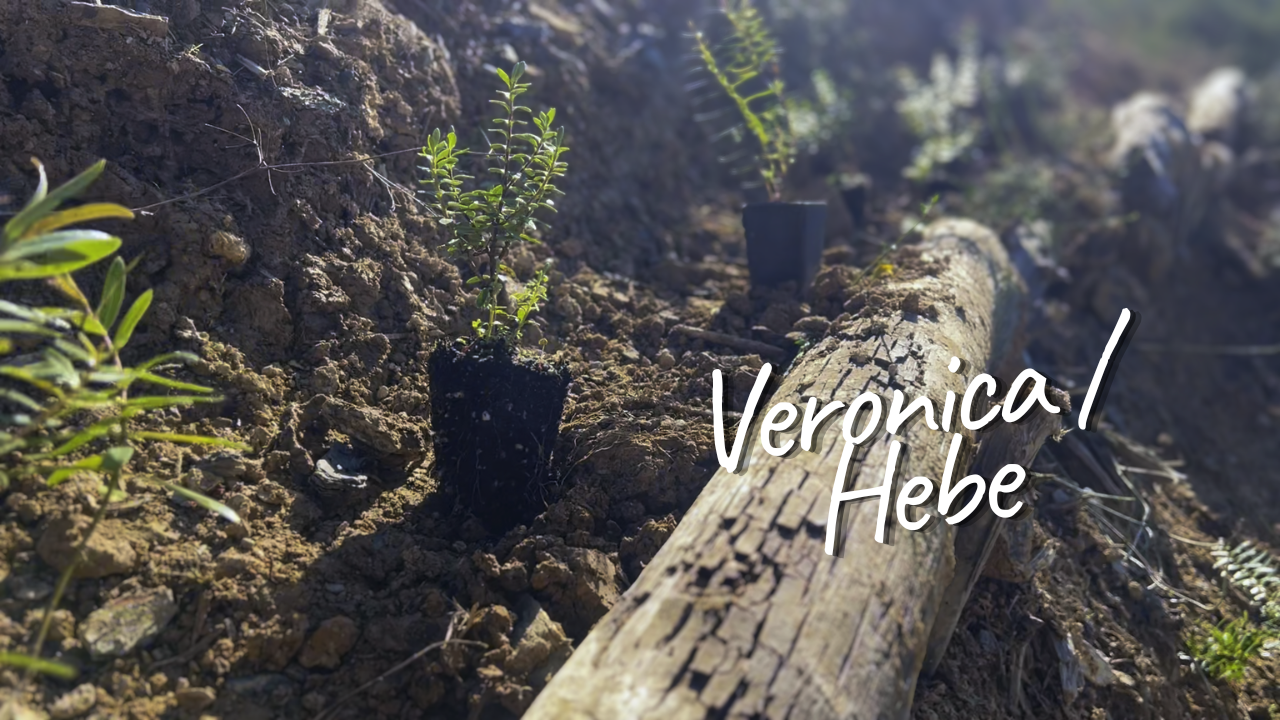
The 44 Veronica have been added to the berm on the fronside of the land. This is the spot we’d like to have looking nice. It’s what people will see when they first enter onto the land (first impressions matter 🤓). By working hard on this now we can colonise the bare land with plants of our choice, rather than have broom and gorse dominate that area.
The long game — podocarp and canopy species
The Kahikatea and Totara are the slowest to establish but ecologically the most significant. These are the species that will define the character of the restored forest in 30, 50, 100 years. Kahikatea is most commonly planted as a later successional species, interplanted within nurse cover on damper sites. We're placing them accordingly, in the spots where the faster species will provide early protection.
The weirdos
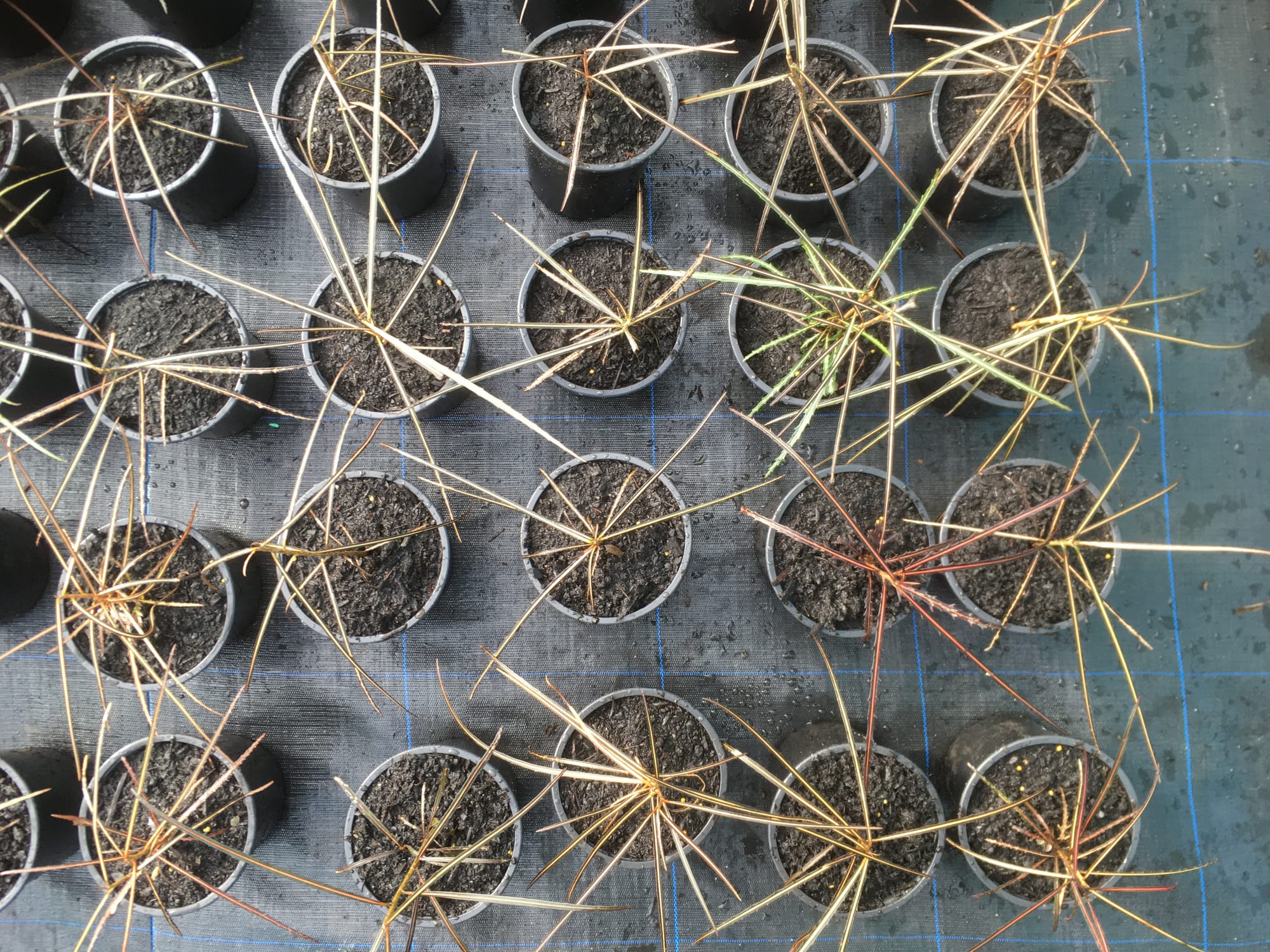
The lancewood (Pseudopanax crassifolius) is worth mentioning on its own terms. Its unusual juvenile form: long, narrow downward-pointing leaves, is thought to have evolved as a defense against moa browsing. There are no moa left to deter, but the adaptation remains, making lancewood one of the more visually striking plants on the property in its early years.
The food layer — productive alongside native
The lemons, currants, mountain pawpaw, tomatillo, and daylilies aren't just food for us. They increase structural diversity at ground and mid level, support pollinators, and make the restoration economically productive rather than purely ecological. This is the regenerative living layer of the project sitting alongside the native restoration work.
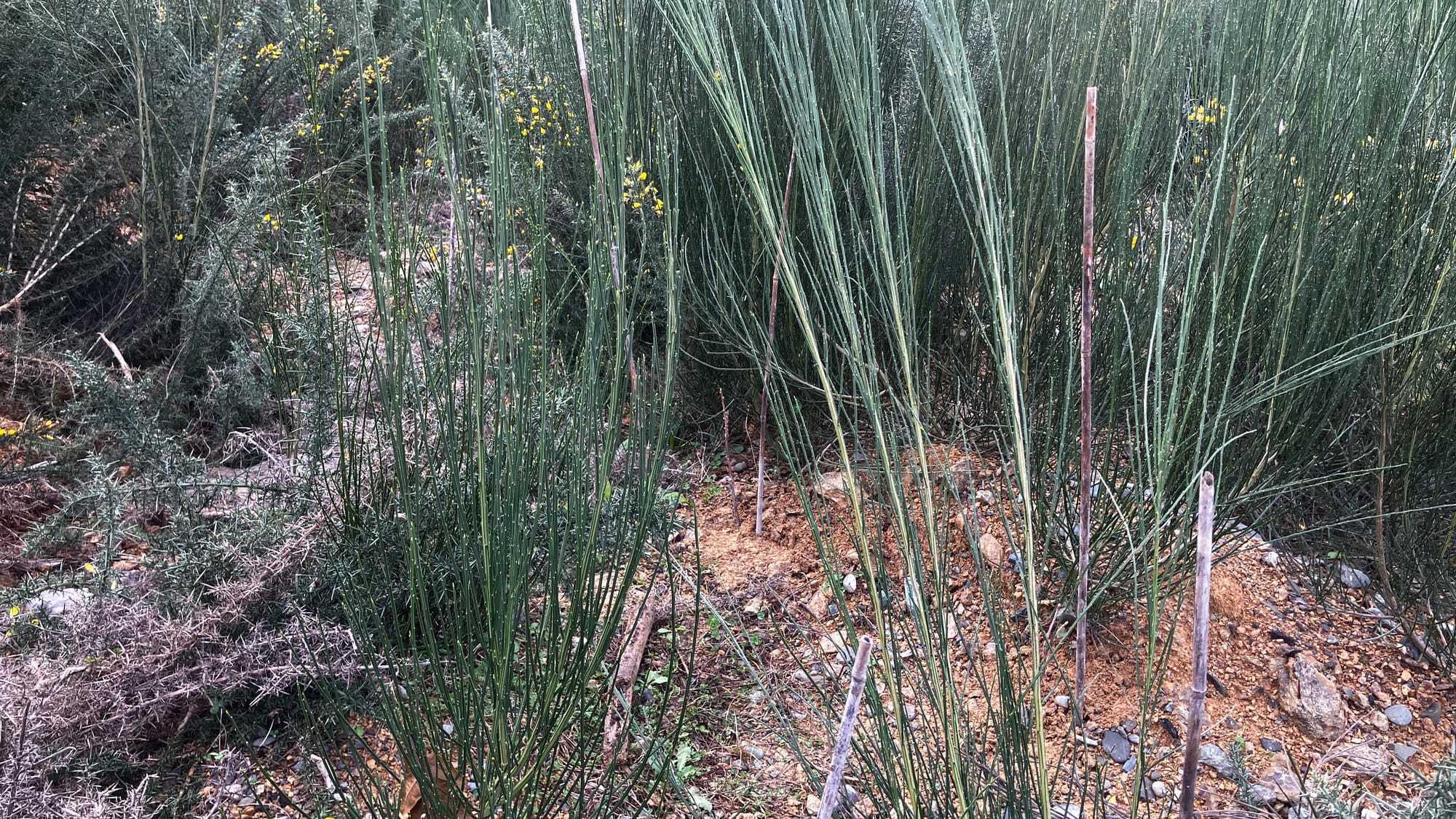
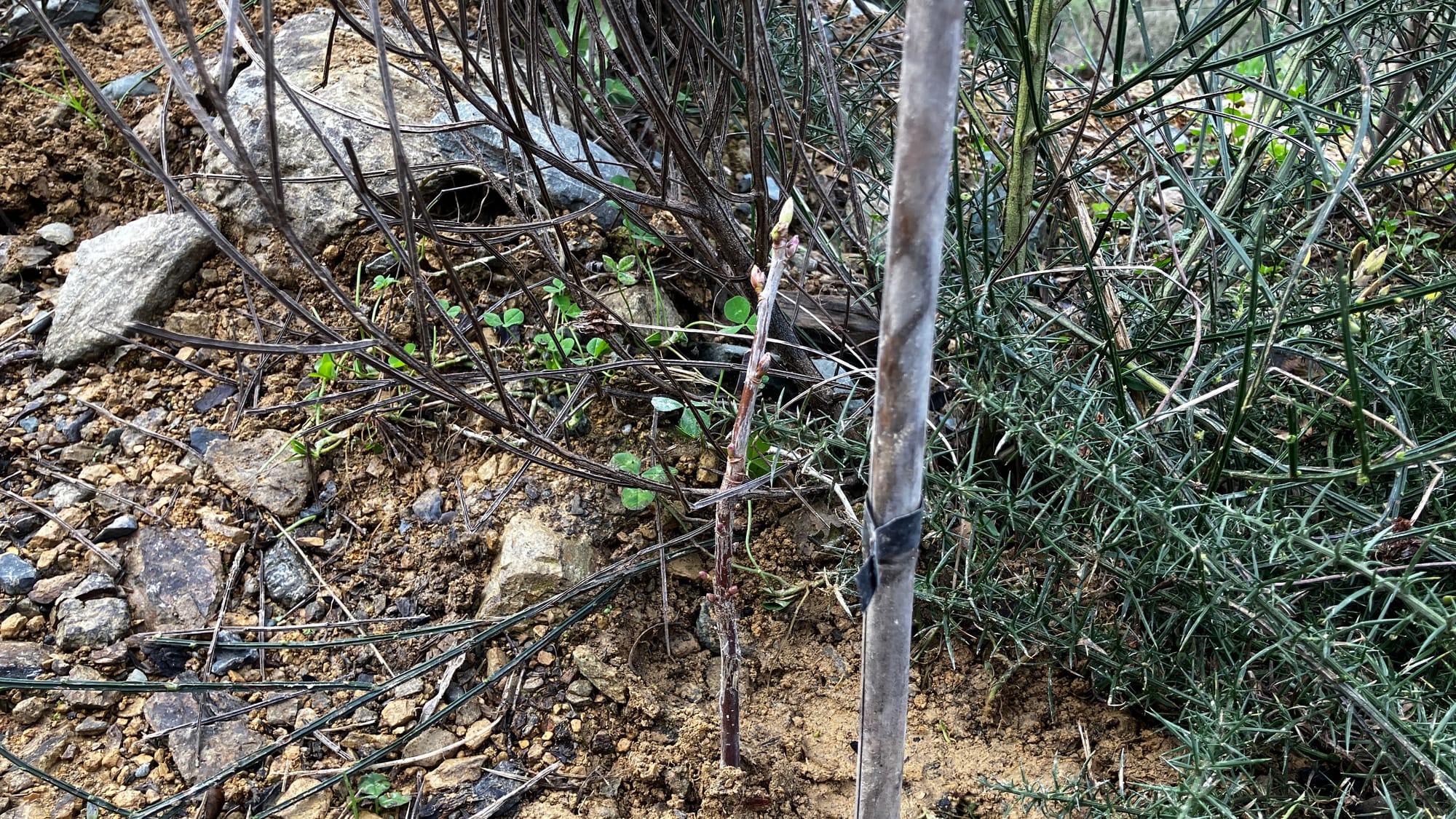
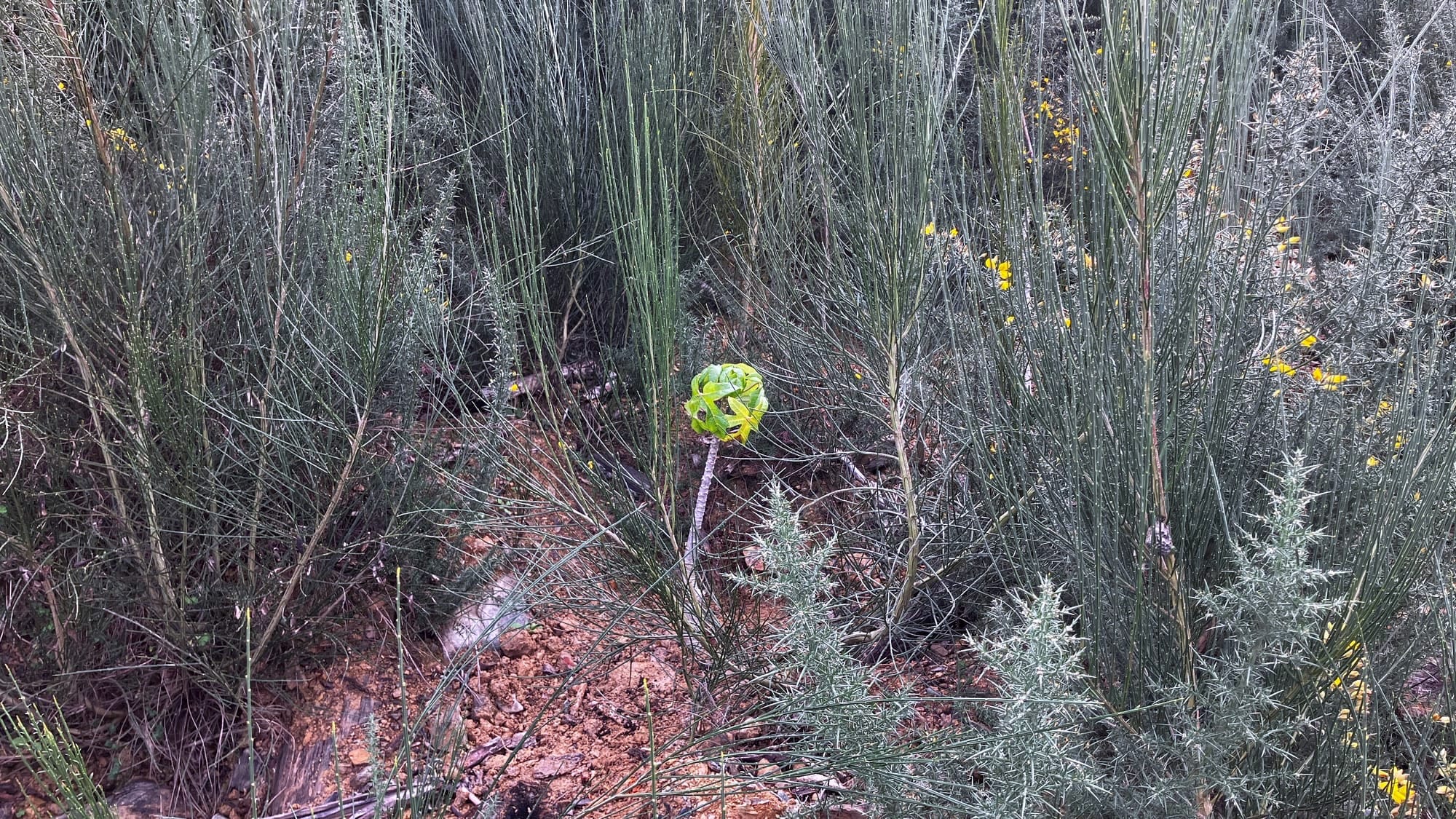
Can you spot the plants?
🎥 Members video: Grafting apple trees